

Historic Preservation

Terra Cotta Facade Restoration: Preserving Historic Midwest Architecture

Expert insights on protecting and restoring the ornate terra cotta facades that define the Midwest’s historic skyline—from assessment to invisible repairs that stand the test of time.

Tayton Eggenberger
Expert Reviewed By: Tayton Eggenberger Branch Manager, RSI Minneapolis ~100 facade restoration projects completed
Key Takeaways

What Building Owners Need to Know

  • Terra cotta serves both structural and decorative functions—restoration requires expertise in both
  • Midwest freeze-thaw cycles create unique stress patterns that accelerate deterioration
  • Water infiltration is the leading cause of terra cotta failure—and can escalate to life safety concerns
  • Repair is always preferred over replacement to preserve original historic material
  • Successful restoration should be invisible—the goal is preservation, not transformation

Why Terra Cotta Demands Special Attention

Walk through downtown Minneapolis or St. Paul and you’ll encounter terra cotta facades on nearly every block. These ornate, glazed clay panels have graced Midwest buildings since the late 1800s, offering architects both beauty and fire resistance in an era scarred by the Great Chicago Fire. But maintaining these historic facades requires understanding what makes terra cotta fundamentally different from other building materials.

“Terra cotta is both a structural as well as a decorative piece for the building,” explains Tayton Eggenberger, Branch Manager at RSI Minneapolis. “It’s lightweight, molded, glazed and hollow.” This dual nature—simultaneously load-bearing and ornamental—is precisely what makes terra cotta facade restoration so complex. You can’t treat it like standard masonry, and you can’t approach it as purely cosmetic work.

“Terra cotta is both a structural as well as a decorative piece for the building. It’s lightweight, molded, glazed and hollow.”

— Tayton Eggenberger, Branch Manager, Minnesota, RSI

The hollow construction that made terra cotta economical and lightweight also creates unique vulnerabilities. Those interior cavities can trap moisture, and the glazed exterior that gives terra cotta its distinctive appearance can mask deterioration happening beneath the surface. For building owners, this means visual inspections alone aren’t sufficient—professional assessment is essential to understanding the true condition of your facade.
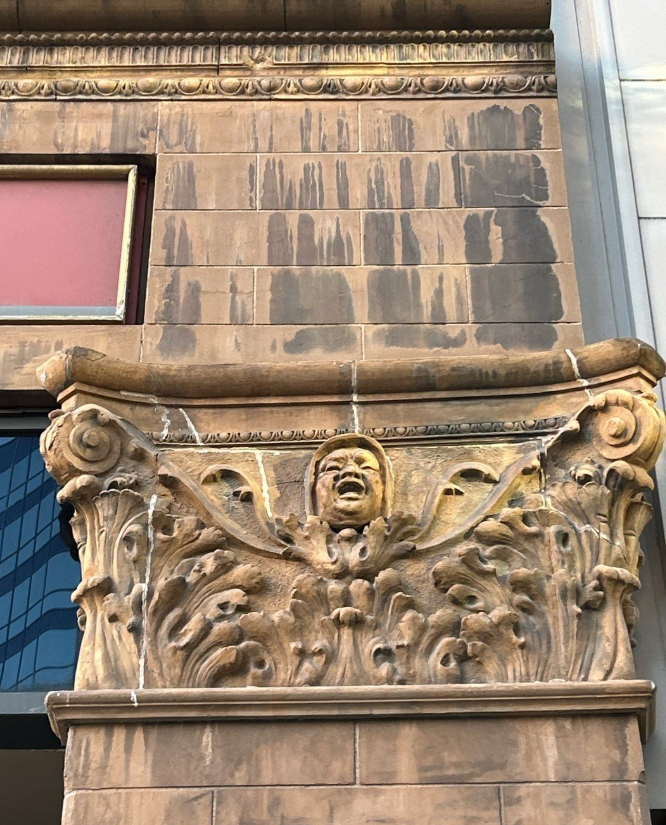
The Midwest Climate Challenge

Terra cotta facades face challenges everywhere, but Midwest buildings endure conditions that accelerate deterioration dramatically. The culprit is our extreme temperature swings combined with relentless freeze-thaw cycling.

“Today it’s 45 degrees, and by the end of the week, it could be zero,” Tayton notes. “That’s a huge swing, and that building is being impacted by that.” In a typical Minneapolis winter, buildings experience dozens of freeze-thaw cycles. Each time moisture penetrates the terra cotta, freezes, and expands, it creates micro-fractures that compound over time.

This thermal stress affects the entire facade system—not just the terra cotta units themselves, but the mortar joints, metal anchors, and connections to the building structure. What might be minor wear in a temperate climate becomes progressive structural damage in Minnesota.

45°
Temperature swings in a single week can stress facades
Freeze-thaw damage on historic terra cotta facade Freeze-thaw damage on historic terra cotta facade from 301 Wisconsin Ave in Milwaukee, WI

How Terra Cotta Facades Fail

“Water infiltration is the most common issue we see,” Tayton explains. “In some cases, deferred maintenance can lead to a life safety concern.” Understanding how terra cotta deteriorates helps building owners recognize problems before they become emergencies.

1

Water Infiltration

Water enters through cracked glaze, failed mortar joints, or compromised flashing. Once inside the hollow terra cotta units, moisture causes internal corrosion and freeze-thaw damage that’s invisible from the exterior until significant deterioration has occurred.

2

Anchor Corrosion

Historic terra cotta was typically attached to buildings using iron or steel anchors. When moisture reaches these anchors, rust forms and expands—often cracking the terra cotta from within. This failure mode is particularly dangerous because the damage isn’t visible until the unit is at risk of falling.

3

Glaze Deterioration

The ceramic glaze that gives terra cotta its distinctive finish is also its first line of defense. Crazing, spalling, and delamination of the glaze expose the porous clay body beneath, accelerating water absorption and deterioration.

4

Mortar Joint Failure

Mortar joints between terra cotta units are designed to be sacrificial—they should fail before the terra cotta itself. However, neglected joints allow water intrusion and can lead to units shifting or becoming unstable.

5

Structural Movement

Building settlement, seismic activity, or adjacent construction can stress terra cotta facades in ways they weren’t designed to accommodate. Cracks that follow structural patterns rather than material defects indicate this type of failure.

Life Safety Concern

Deferred maintenance on terra cotta facades isn’t just a preservation issue—it’s a safety issue. Falling terra cotta pieces can weigh hundreds of pounds. Regular inspection and proactive maintenance protect both your building and the public.

Repair vs. Replacement: Making the Right Call

“The biggest thing that we look at is obviously the structural integrity of that terracotta. Whenever possible, repair is the preferred method to preserve that original material.”

Preservation First

Repair

Repair preserves irreplaceable historic material and is typically more cost-effective. RSI’s preservation-first philosophy means exhausting repair options before recommending replacement.

  • Surface damage (crazing, minor spalling) without structural compromise
  • Glaze deterioration that hasn’t penetrated the clay body
  • Failed mortar joints between otherwise sound units
  • Localized cracks that can be stabilized and sealed
  • Intact anchor systems with repairable connections

Replacement

When structural integrity is compromised beyond repair, replacement becomes necessary. Modern replacement units can match historic profiles, colors, and glazes with remarkable accuracy.

  • Severe internal deterioration from water damage or anchor corrosion
  • Units that have lost structural integrity or become unstable
  • Damage extending through the full thickness of the terra cotta
  • Missing or previously removed units requiring recreation
  • Sections with extensive, interconnected failure patterns

“Whenever possible, repair is the preferred method to preserve that original material.”

— Tayton Eggenberger, Branch Manager, Minnesota, RSI

Why Expertise Matters in Terra Cotta Restoration

Terra cotta facade restoration demands more than standard masonry skills. “You need not only the specialty training, but also the right materials to do those repairs,” Tayton emphasizes. From custom-formulated patching compounds that match historic glazes to anchor replacement techniques that won’t damage surrounding units, the technical requirements are exacting.

But technical skill alone isn’t enough. “There’s also what I call an art to it. Our crew has people with technical skills, but I view what they do as an art.” This blend of science and craft is what separates competent restoration from exceptional preservation work. Color matching, texture replication, and seamless integration with surrounding historic fabric require an artistic eye developed over years of hands-on experience.

“It’s one of the things that we really excel at is to do work on a historic building. And you can’t tell that we did work on that historic building.”

— Tayton Eggenberger, Branch Manager, Minnesota, RSI

This philosophy—that the best restoration work is invisible—guides every terra cotta project RSI undertakes. The goal isn’t to make a building look restored; it’s to preserve its historic character while ensuring structural integrity for decades to come. When the scaffolding comes down, the only evidence of work should be a facade that looks exactly as the original architects intended.

Preservation Standards

RSI’s restoration work adheres to the Secretary of the Interior’s Standards for the Treatment of Historic Properties, ensuring compatibility with historic preservation tax credit requirements and landmark commission guidelines.

Seasonal Considerations for Terra Cotta Work

Timing matters in terra cotta restoration. The same freeze-thaw cycles that damage facades also constrain when repairs can be performed. Most patching compounds and grouts require specific temperature ranges to cure properly, and fresh repairs are vulnerable to frost damage before they’ve fully set.

For building owners in the Minneapolis-St. Paul area, this means planning restoration work well in advance. Assessment can happen year-round, but major repair work is best scheduled during optimal weather windows. Emergency stabilization is always possible, but comprehensive restoration achieves the best results when properly timed.

Spring (April-May)

Excellent conditions as temperatures stabilize. Ideal for beginning major restoration projects with full summer ahead for completion.

Summer (June-August)

Prime restoration season. Consistent warmth ensures optimal curing. Schedule comprehensive projects during this window.

Fall (September-October)

Good for completing ongoing work and smaller repairs. Monitor forecasts closely as temperatures become unpredictable.

Winter (November-March)

Best suited for assessment, planning, and emergency stabilization. Reserve major repairs for warmer months when possible.

Terra Cotta Restoration FAQ

How do I know if my terra cotta facade needs attention?

Warning signs include visible cracking or spalling of the glazed surface, staining from water infiltration, deteriorating mortar joints, and any loose or shifting units. However, because terra cotta can deteriorate internally while looking sound externally, buildings over 50 years old should have professional facade assessments every 5-10 years—or sooner if you notice any visible damage.

Can damaged terra cotta be repaired, or does it always need replacement?

Repair is almost always the first choice for terra cotta restoration. Surface damage, glaze deterioration, and even some structural cracking can often be repaired using specialized patching compounds that match the original color and texture. Replacement is typically only necessary when units have lost structural integrity, have severe internal deterioration, or are missing entirely. A qualified assessment will determine which approach is appropriate for each area of your facade.

How long does terra cotta facade restoration take?

Project timelines vary significantly based on scope. A localized repair of a few units might take days to weeks, while comprehensive restoration of an entire facade can span several months. Factors affecting timeline include the extent of damage, weather windows (most work is done in warmer months), access requirements for scaffolding, and whether replacement units need to be custom fabricated. RSI provides detailed timelines during the assessment and planning phase.

Will restoration work qualify for historic preservation tax credits?

Restoration work that adheres to the Secretary of the Interior’s Standards for the Treatment of Historic Properties can qualify for federal and state historic preservation tax credits on eligible buildings. RSI’s restoration approach is designed to meet these standards, focusing on preserving original material and maintaining historic character. We recommend consulting with a historic preservation specialist and tax advisor early in your planning process to maximize available incentives.

What makes terra cotta restoration different from regular masonry repair?

Terra cotta requires specialized expertise because of its unique properties: hollow construction, glazed surfaces, and decorative profiles that are often impossible to replicate with standard masonry techniques. Restoration work demands custom color-matching, understanding of anchor systems specific to terra cotta, and the ability to blend repairs invisibly with surrounding historic material. Standard masonry contractors typically lack both the specialized training and the proprietary materials needed for authentic terra cotta restoration.

Get Started

Protect Your Historic Investment

Whether you’ve noticed warning signs or simply want to understand your building’s condition, RSI’s facade assessment provides the clarity you need to make informed decisions about your terra cotta restoration project.

25+ Years Experience
~100 Facade Projects
Preservation Standards Compliant