01
Substrate First
Sound parking-ramp concrete can tolerate a different approach than historic brick, soft masonry, cast stone, or aging concrete. RSI reads the surface before choosing the machine, tip, temperature, or pretreatment.

Controlled cleaning for parking structures, masonry facades, precast buildings, sidewalks, plazas, and industrial surfaces.
The same water stream that strips winter salt from a parking ramp can scar stone, open mortar joints, or push moisture into an aging wall. Commercial high pressure surface cleaning is “a lot more controlled” than a washdown: RSI evaluates the surface first, selects pressure and temperature around the substrate, and cleans with the next repair step in mind.

Commercial high pressure surface cleaning is not the same as pointing a washer at a wall and turning it up. RSI uses it on building facades, parking ramps, concrete, masonry, precast, sidewalks, plazas, and industrial surfaces where the cleaning has to remove contaminants without cutting into the substrate. On Upper Midwest properties, that often means preparing a surface for restoration work, clearing biological growth or buildup, or exposing conditions that need repair before the next phase starts.
The right cleaning setup depends on what RSI is trying to remove and what the surface can tolerate. General dirt, biological growth, loose contaminants, and surface buildup are good candidates for controlled high pressure cleaning. If the objective is full coating removal, deep stain removal, or a more aggressive profile, RSI may recommend coating removals, chemical cleaning, or other surface preparation methods instead.
That is why RSI starts conservatively, tests small areas, and adjusts pressure, temperature, fan pattern, standoff distance, and pretreatment as the surface responds. Hot water, steam, or chemical pretreatment may be used when oils, biological growth, or stubborn contaminants need help breaking down before the wash.
A few of RSI’s Commercial High Pressure Surface Cleaning projects
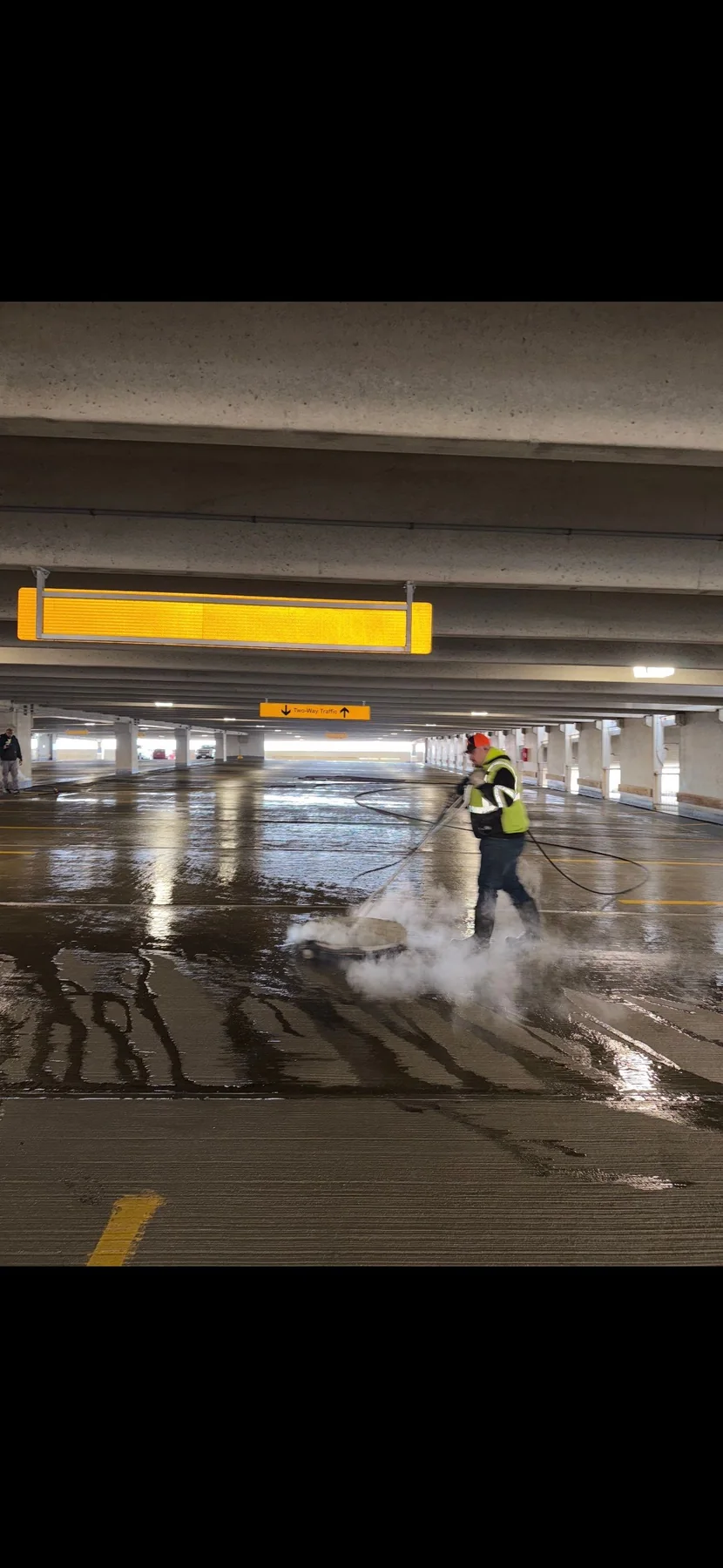
PSI matters, but it is never the whole specification. Substrate hardness, age, mortar condition, water temperature, nozzle pattern, distance from the surface, dwell time, drainage, and the next trade all affect how RSI sets up the cleaning plan.
Sound parking-ramp concrete can tolerate a different approach than historic brick, soft masonry, cast stone, or aging concrete. RSI reads the surface before choosing the machine, tip, temperature, or pretreatment.
Crews “start conservatively” and increase only after the surface proves it can take the cleaning. Small test areas are especially important on older brick, friable mortar, stone, and patched concrete.
Commercial wash water can carry oil, chlorides, detergents, biological growth, and concrete fines. Where the site requires it, discharge planning, recovery, and filtration are coordinated with applicable stormwater rules [EPA CWA].
Pressure cleaning removes contaminants; it does not automatically create the surface profile required by every coating or repair system. If a specification calls for mechanical profile, cleaning is only the first step [ICRI 310.2R-2013].
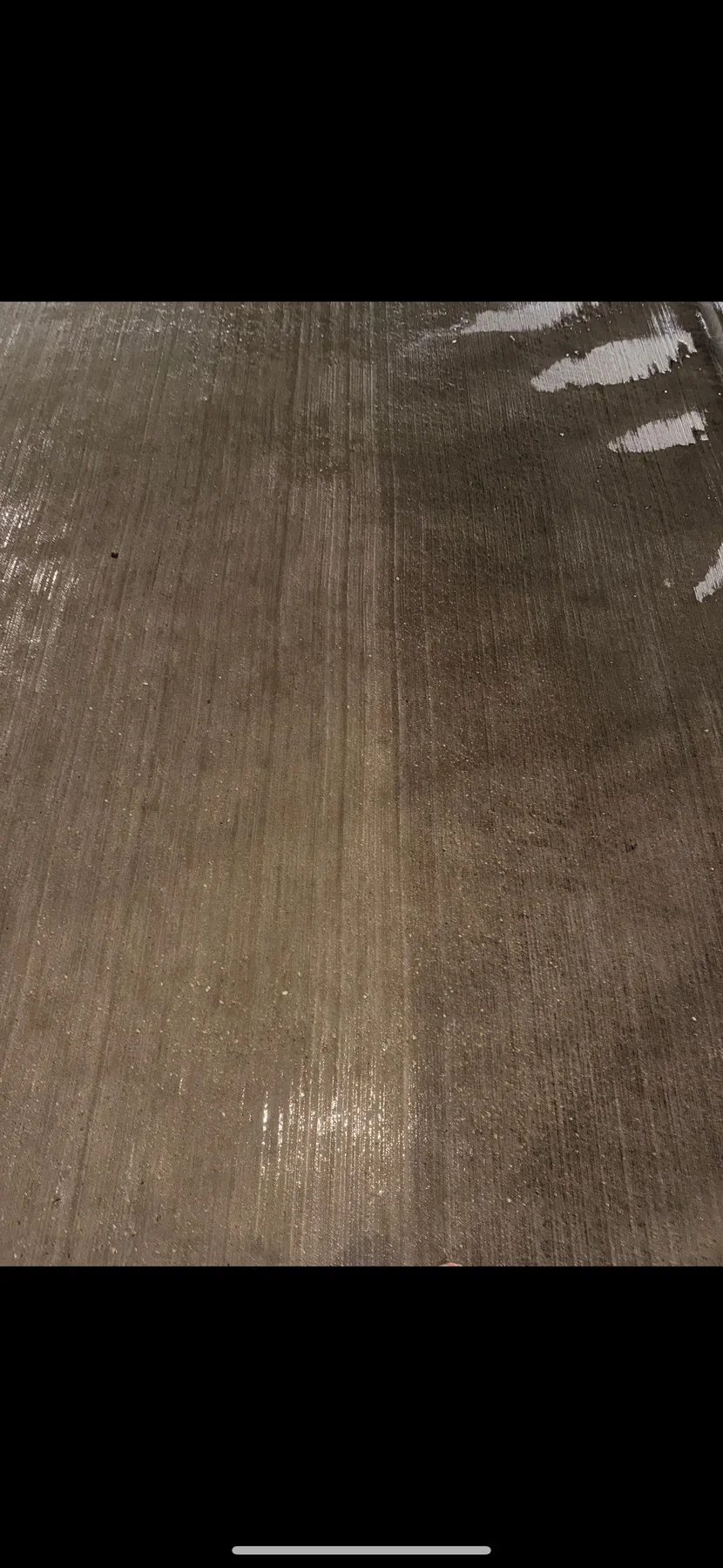
Parking-ramp cleaning can remove chlorides, dirt, and deteriorated material before repairs or coating work. It also exposes problem areas that were hard to read under grit and residue, helping the repair and coating sequence start from a cleaner, more honest surface.
You can absolutely damage a building with too much pressure. We’ve seen people remove the face of brick, blow out mortar joints, scar stone, and drive water deeper into the wall system. Not all pressure washing companies understand commercial restoration surfaces.
Tayton EggenbergerRSI Minnesota Branch Manager
Upper Midwest buildings carry winter salt, freeze-thaw wear, biological growth, and aging facade materials into the cleaning season. A surface can look better after a wash and still be worse off if the pressure, chemistry, or sequencing was wrong.
Parking structures collect deicing salts and grit; facades collect moisture, growth, and atmospheric soiling. Cleaning has to remove the contaminant without opening the substrate to faster deterioration.
The biggest red flag is a contractor treating every surface the same. Commercial restoration cleaning is not about running “maximum pressure everywhere”; it is about matching the wash to the softest meaningful material in the path.
Brick faces, mortar joints, limestone, sandstone, and older masonry can be permanently damaged. Once the face of brick is cut or a joint is opened, the cleaning job has created a restoration problem.
High pressure cleaning is a strong choice for surface buildup, loose contaminants, and biological growth. Failed coatings, heavy deposits, or deep staining may require coating removal, chemical cleaning, or media blasting instead.
Cleaning before sealants, coatings, or traffic coatings has to be sequenced around moisture, adhesion, surface condition, and access. A deck that will receive traffic coatings needs a different plan than a plaza receiving a maintenance wash.
When cleaning exposes spalls, loose concrete, or deteriorated joints, the next step may be targeted concrete repair, tuckpointing and mortar repair, or sealant replacement rather than another pass with the wand.
The job is staged around the building first and the equipment second. RSI confirms the surface, the contaminant, the surrounding restoration scope, and the water path before crews scale up production.
Walk the deck or facade, identify concrete, masonry, brick, stone, precast, and patched areas, then flag delaminations, deteriorated mortar, exposed reinforcing, failed sealants, drainage paths, and access constraints.
Select hot water, steam, cold water, or chemical pretreatment based on what needs to be removed. Pressure, fan tip, standoff, and dwell time are tested first, then adjusted only as the surface allows.
Crews work in a controlled pattern with consistent distance from the surface, moving contaminants toward planned collection or drainage points and protecting adjacent materials that should not receive the same pressure.
Use berms, vacuum recovery, and filtration where the site requires it, then review the cleaned surface for coating prep, sealant work, repair layout, or areas that need a different preparation method.
For decks that will be recoated after washing, RSI sequences cleaning around traffic coatings so moisture, surface condition, and repair work line up before installation.
Commercial high pressure cleaning is controlled around the substrate and the restoration goal. RSI is usually cleaning parking structures, concrete, masonry, precast, plazas, or industrial surfaces where the wrong pressure can damage the building or compromise the repair work that follows.
Common scopes include concrete parking structures, brick and masonry facades, precast buildings, sidewalks, plazas, and industrial facilities. RSI also performs cleaning before sealants, protective coatings, and traffic coatings are installed.
There is no single safe PSI for every commercial surface. Sound concrete can often accept more pressure than soft masonry, historic brick, stone, or aging concrete. RSI starts with a conservative test area and increases only if the surface responds without damage.
Yes. Too much pressure can remove the face of brick, blow out mortar joints, scar stone, and “drive water deeper into the wall system.” Masonry cleaning requires lower pressure, careful nozzle selection, and attention to the weakest material in the wash path.
It is a good fit for surface dirt, biological growth, loose contaminants, winter residue, and general buildup. If the scope requires coating removal, deep stain treatment, or aggressive profiling, RSI may recommend media blasting, chemical cleaning, grinding, scarifying, or another surface preparation method.
Yes, depending on the surface and contaminant. Hot water or steam can help with oils and biological growth. Chemical pretreatment can help break down contaminants before cleaning, but it has to be compatible with the substrate and the discharge plan.
It is often an important first step, especially when chlorides, dirt, oils, and loose material must be removed before repairs or coating installation. Some coating systems also require mechanical surface preparation after cleaning, so RSI coordinates the wash with the coating specification and repair sequence.
Commercial wash water may contain oil, chlorides, detergents, biological material, or concrete fines. Where required by the site and local rules, RSI coordinates berms, vacuum recovery, and filtration so wash water is managed rather than sent uncontrolled into storm drains [EPA CWA].
RSI provides high pressure surface cleaning across the Upper Midwest for parking ramps, facades, concrete, masonry, precast, plazas, and industrial facilities. We match pressure, water temperature, detergents, and containment to the substrate and the next repair or coating step.