
How a $500,000 Repair Became a $4 Million Problem
One of the most instructive projects we’ve encountered involved a parking structure that had been neglected for years. By the time RSI was brought in, the situation had reached a critical point.
The original assessment had identified approximately $500,000 in needed repairs—significant deterioration in the deck membrane, some spalling concrete, and early-stage rebar corrosion. The owner deferred, hoping to “get another year or two” out of the structure.
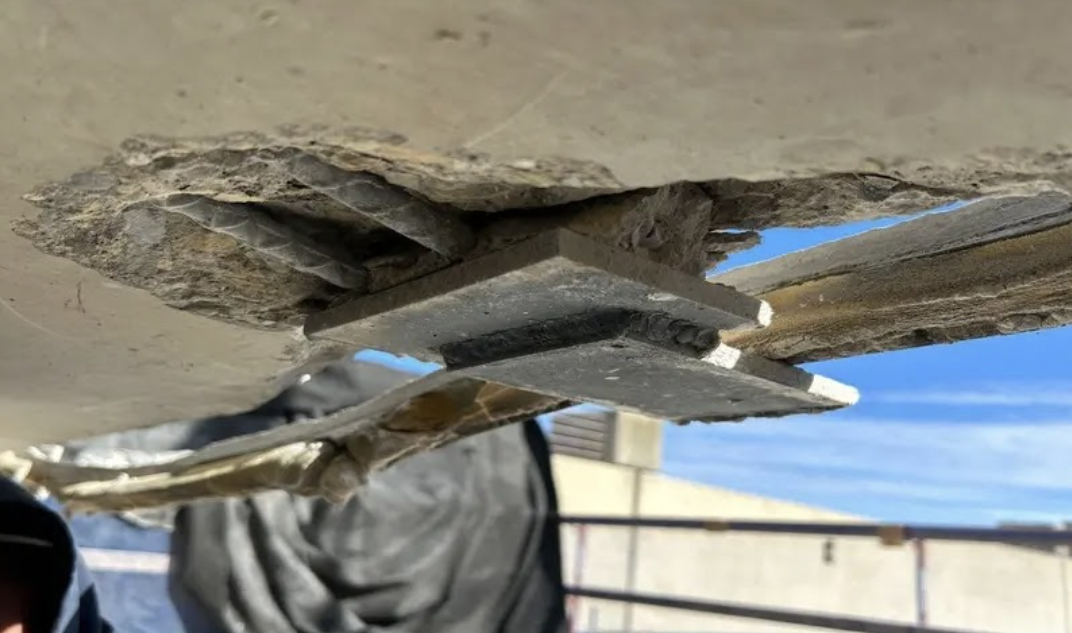
When we finally got the call, the building was in receivership. Winter had come and gone—multiple times. Water infiltration had accelerated the freeze-thaw damage exponentially. What we found was far worse than anyone had imagined.
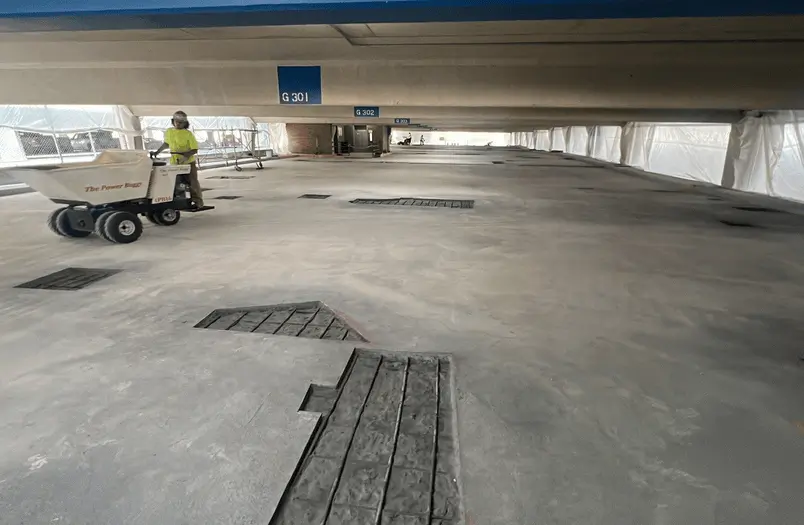
The concrete damage had spread throughout multiple levels. Structural steel required extensive repairs. The project timeline stretched from months to years. And the owner—no longer the original owner—was left holding a bill eight times larger than what prevention would have cost.
This isn’t an outlier. Industry research consistently shows that deferred maintenance compounds at approximately 7% annually. Every year you wait, the problem—and the price tag—grows.
The 7% Compounding Rule
Deferred maintenance doesn’t stay static. According to facility management research, every dollar of deferred repairs grows by approximately 7% per year. A $100,000 repair deferred for 10 years doesn’t cost $100,000—it costs closer to $200,000, plus the risk of catastrophic failure.