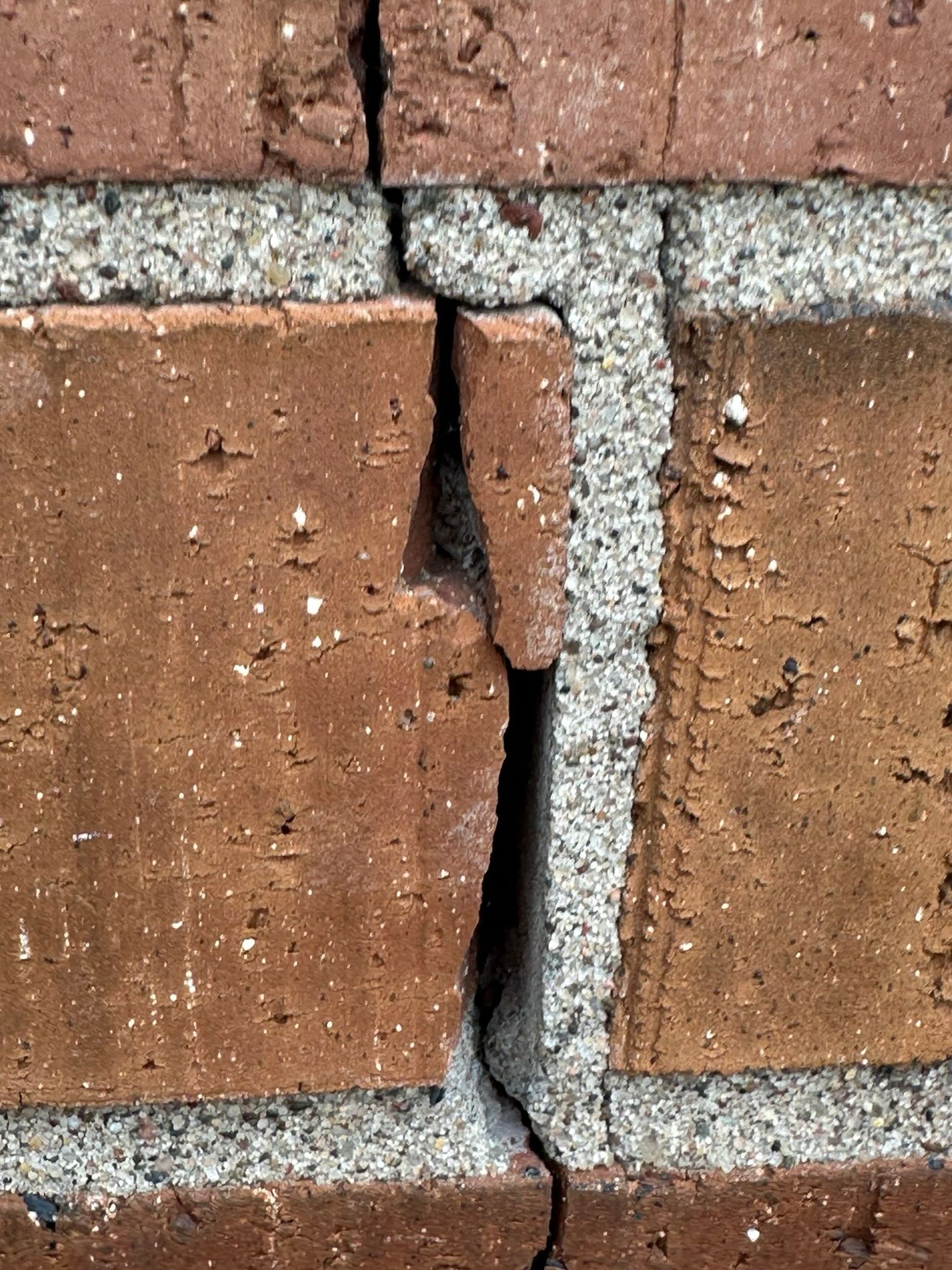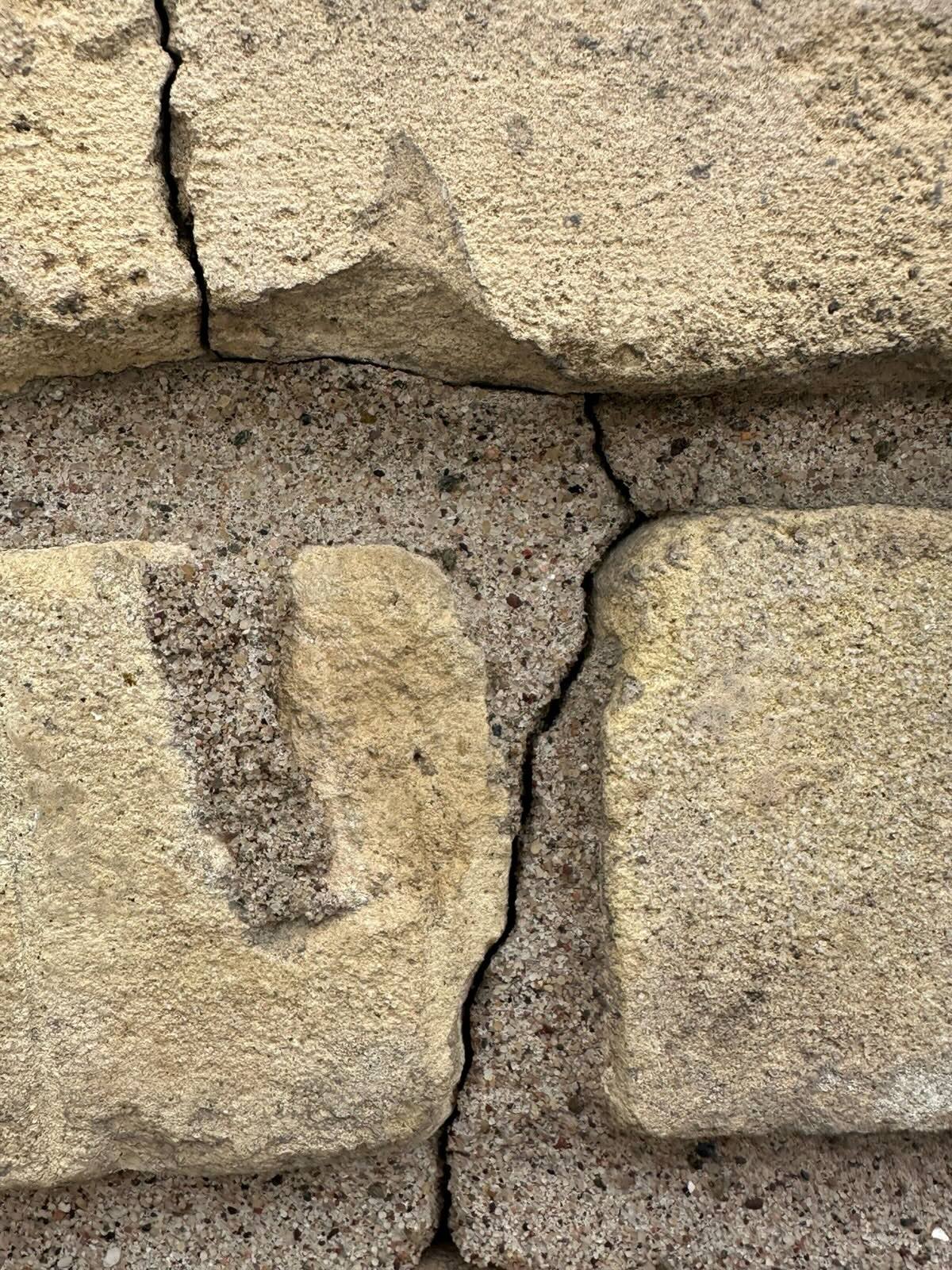

Why Mortar is Designed to Fail First
When you look at a brick or stone building, your instinct is probably to worry when you see deteriorating mortar. That seems like a problem, right? Here’s the counterintuitive truth: mortar deterioration isn’t necessarily a sign that something went wrong—it’s often evidence that the system is working exactly as designed.
Mortar serves two critical functions in masonry construction. First, it’s the bonding agent that holds individual brick or stone units together, creating a unified structural wall. Second—and this is the part most building owners don’t understand—it functions as a sacrificial material intentionally engineered to be weaker than the masonry units themselves.
“The mortar essentially acts as both the bonding agent and a sacrificial material. Ideally, the mortar should deteriorate before the brick or stone does.”
— Tayton Eggenberger, Branch Manager, Minnesota, RSI
Think of it this way: brick and natural stone are permanent, expensive materials that are difficult to replace without dismantling significant portions of a facade. Mortar, by contrast, is relatively inexpensive and can be removed and replaced through repointing without disturbing the masonry units. By accepting weathering, moisture movement, and thermal stress first, mortar protects your more valuable materials from damage.
This sacrificial design is intentional and smart. The mortar essentially takes the hit so your brick and stone don’t have to. But here’s where building owners get into trouble: this protective function only works when the mortar is maintained. Once mortar deterioration progresses past a certain point, it stops protecting and starts allowing damage to accelerate. The key is understanding what normal sacrificial wear looks like versus what signals a maintenance emergency.