Why Minneapolis Buildings Need Local Restoration Experts
If you manage or own a commercial building in the Twin Cities, you already know what Minnesota winters can do. But here’s what makes our climate uniquely destructive to concrete, masonry, and building envelopes—and why generic contractors from warmer regions simply don’t understand what they’re up against.
The Freeze-Thaw Cycle: 80-100+ Times Per Year
Every time water infiltrates a crack in your concrete or mortar, freezes overnight, and thaws the next day, it expands by about 9%. In Minneapolis, this happens 80 to 100+ times annually—far more than most U.S. cities. Each cycle widens existing cracks, creates new fractures, and progressively weakens structural elements. A hairline crack in October becomes a major repair by April.
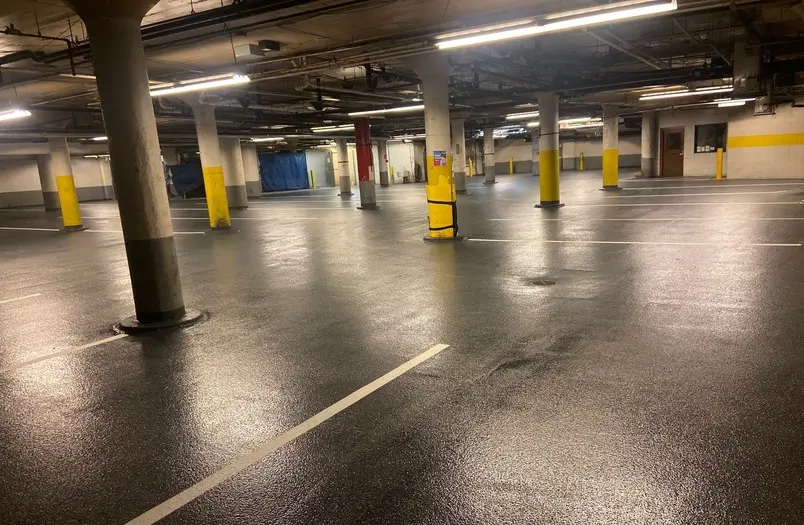
This relentless freeze-thaw action is why parking deck surfaces deteriorate faster here, why facade mortar joints fail sooner, and why waterproofing is not optional—it’s essential. Contractors who’ve primarily worked in milder climates often underestimate the urgency and scope of protective measures required in our market.
Temperature Extremes: A 130-Degree Swing
Minneapolis experiences temperature swings from -30°F in January to over 100°F in July. This 130-degree range creates thermal expansion and contraction stress on every building component. Expansion joints must be properly designed and maintained. Sealants must remain flexible across this entire temperature spectrum. Coatings must withstand UV exposure in summer and ice formation in winter.
Materials and installation methods that work perfectly in Phoenix or Atlanta often fail catastrophically here. We’ve seen countless “repairs” by out-of-state contractors that required complete replacement within just a few years because they used products unsuitable for our thermal extremes.
Road Salt: 400,000+ Tons Annually
The Minneapolis-St. Paul metro area uses over 400,000 tons of road salt each winter. That salt doesn’t just stay on the roads—it gets tracked into parking structures, splashed onto building facades, and carried by wind and meltwater into every crevice of your property. Salt accelerates rebar corrosion in concrete, damages masonry, and shortens the life of nearly every building material it contacts.
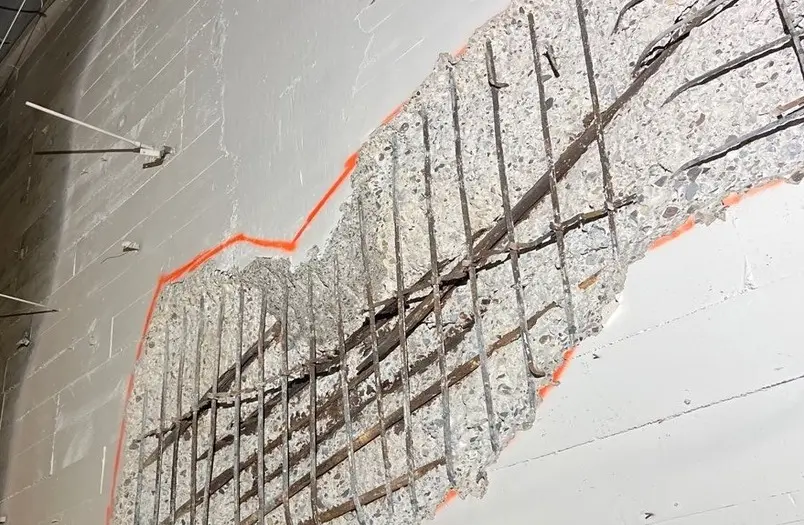
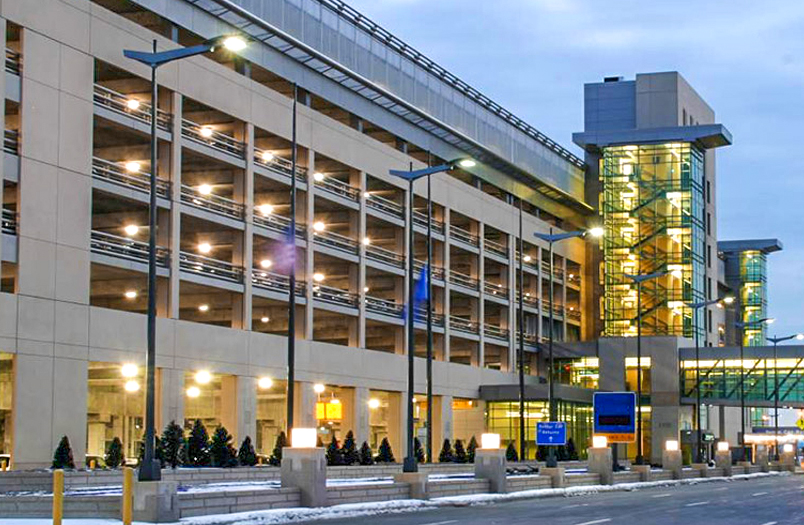
For parking deck restoration in particular, salt damage is often the primary driver of deterioration. The exposed rebar, spalling concrete, and structural concerns we regularly encounter in Twin Cities parking structures are directly attributable to decades of salt exposure combined with inadequate protection systems.
“We’ve been restoring Minneapolis buildings for over 27 years. The patterns of deterioration here are distinct from anywhere else in the country. Understanding these local conditions isn’t just helpful—it’s essential to developing repair strategies that actually last.”
Why Local Expertise Matters
At Restoration Systems Inc., our principals average 25+ years of experience—and nearly all of that experience is right here in the Upper Midwest. We understand which coating systems perform best in our climate. We know which concrete repair methods resist freeze-thaw damage. We’ve learned which waterproofing approaches prevent moisture infiltration through Minnesota’s harshest winters.
When you work with RSI, you’re not educating your contractor about local conditions. You’re partnering with a team that’s already solved the specific problems your building faces—on structures across the Twin Cities metro, including some of Minneapolis’s most iconic landmarks.