01
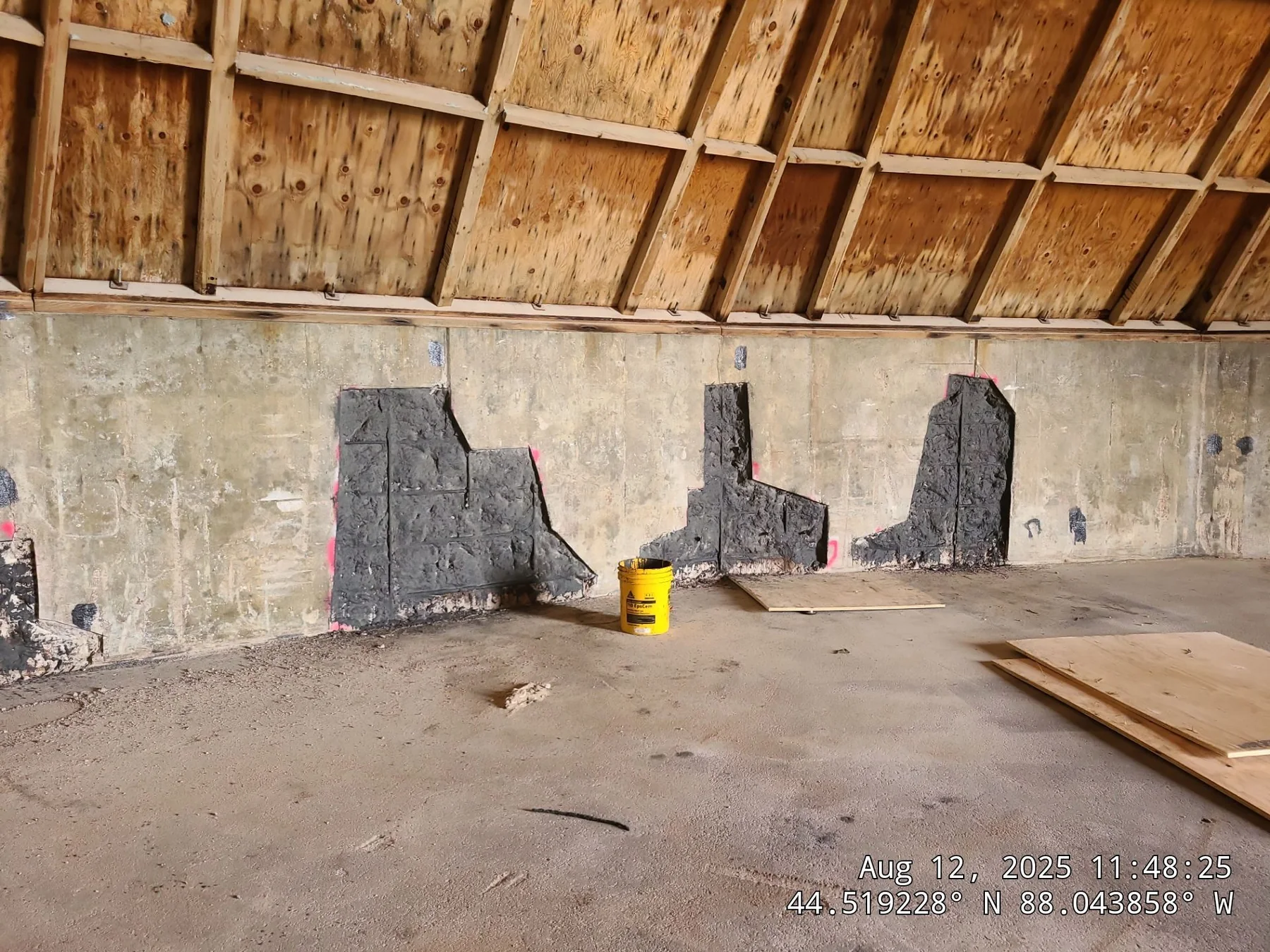
Surface preparation
Reference language for preparing concrete before a bonded coating is installed. In plain terms: the surface must be clean, sound, and ready to receive the system. [SSPC-SP 13 / NACE 6]

Performance coating systems for concrete and steel exposed to water, chlorides, chemicals, UV, traffic, and year-round Upper Midwest weather.
The trouble usually shows up at the working surface: a top deck wearing through at the drive lanes, steel taking on corrosion, a loading dock getting washed down daily, or salt-exposed concrete opening up after another freeze-thaw season. RSI treats protective coatings as “performance-based systems” selected for the structure, the exposure, and the substrate below the film.

Industrial protective coatings are performance systems. Their job is to help structures resist water, chemicals, salt exposure, corrosion, UV damage, traffic wear, and general deterioration. Appearance still matters, but on parking ramps, loading docks, water treatment facilities, mechanical spaces, salt-exposed concrete, and exposed structural steel, the real purpose is extending service life.
RSI starts by looking at the environment and the substrate. Moisture exposure, chemical exposure, traffic conditions, existing deterioration, and long-term maintenance expectations all affect the coating recommendation. Epoxies, urethanes, elastomeric coatings, cementitious coatings, corrosion-resistant systems, and specialty traffic coatings each have a place, but they are not interchangeable. A system that belongs on structural steel may be the wrong choice for exterior concrete.
That is especially true across the Upper Midwest, where freeze-thaw cycling, deicing salts, UV exposure, and moisture movement punish coatings year after year. Before a protective system is installed, RSI may need to pressure wash, grind, shot blast, media blast, remove incompatible materials, or complete concrete repair so the coating bonds to a sound surface instead of dust, salt residue, loose concrete, or failed coating material.
The most common failure point is treating these systems like ordinary paint. Protective coatings depend on the right preparation, the right environmental conditions during installation, and the right installed thickness. For that reason, RSI often coordinates this work with surface preparation, parking deck restoration, and coating removal services when the existing surface is not ready to receive a new system.
A few of RSI’s Industrial Protective Coatings projects
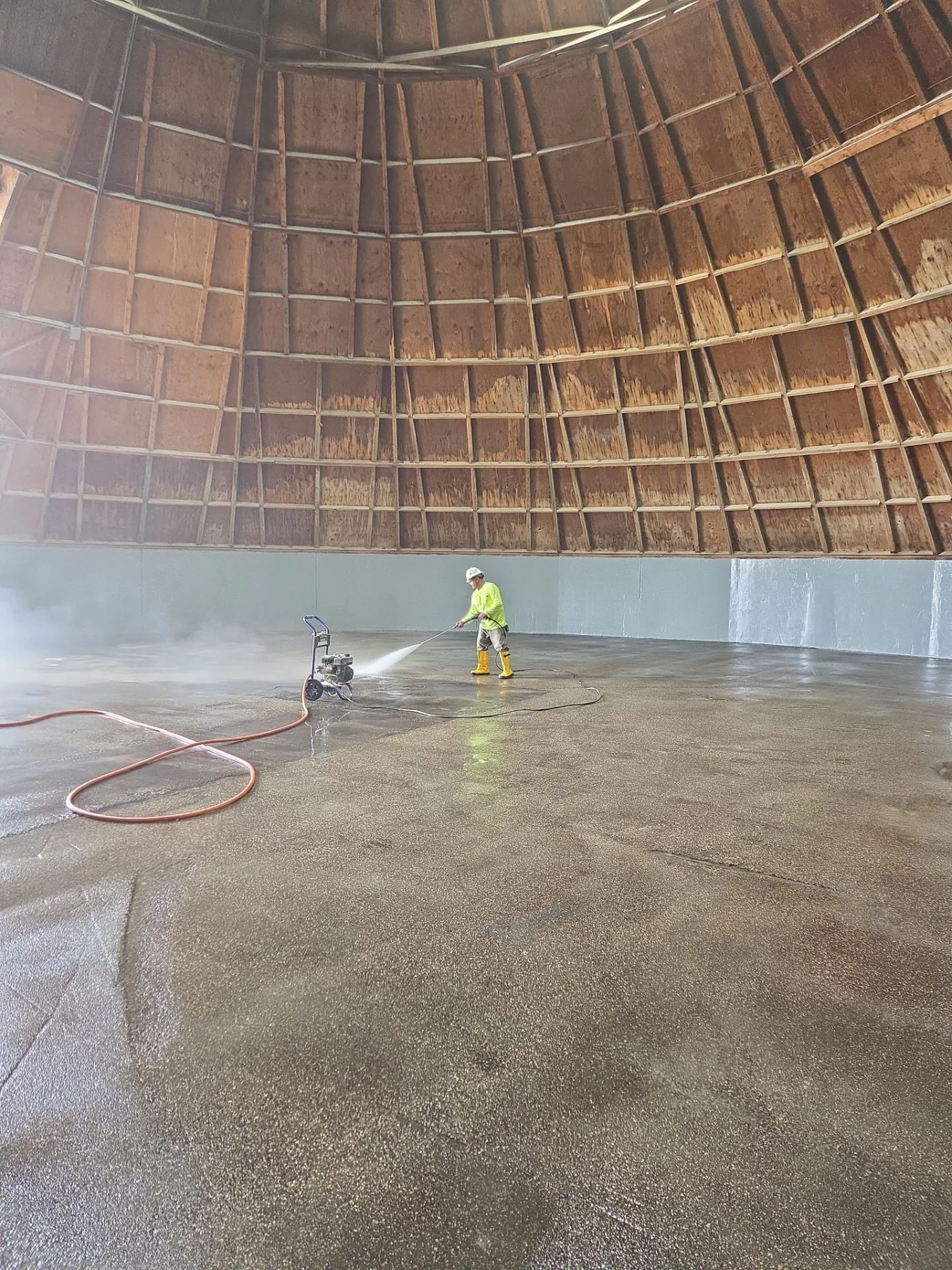
A good protective-coating specification should answer practical field questions: What is the substrate? What is attacking it? How will the surface be cleaned and profiled? What thickness and cure conditions does the manufacturer require? Formal standards help define prep and profile, but the site conditions decide the system.
Reference language for preparing concrete before a bonded coating is installed. In plain terms: the surface must be clean, sound, and ready to receive the system. [SSPC-SP 13 / NACE 6]
Concrete Surface Profile numbers describe how rough the prepared concrete should be. Too smooth and the system may not bond; too aggressive and the coating may not cover as intended. [ICRI CSP 1-9]
Product requirements govern mix, temperature range, recoat windows, thickness, cure time, and compatible primers or top coats. Those details matter as much as the product name.
Many coating specifications still use legacy SSPC and NACE language now associated with AMPP. RSI keeps the field work tied to the referenced prep and installation expectations. [AMPP]
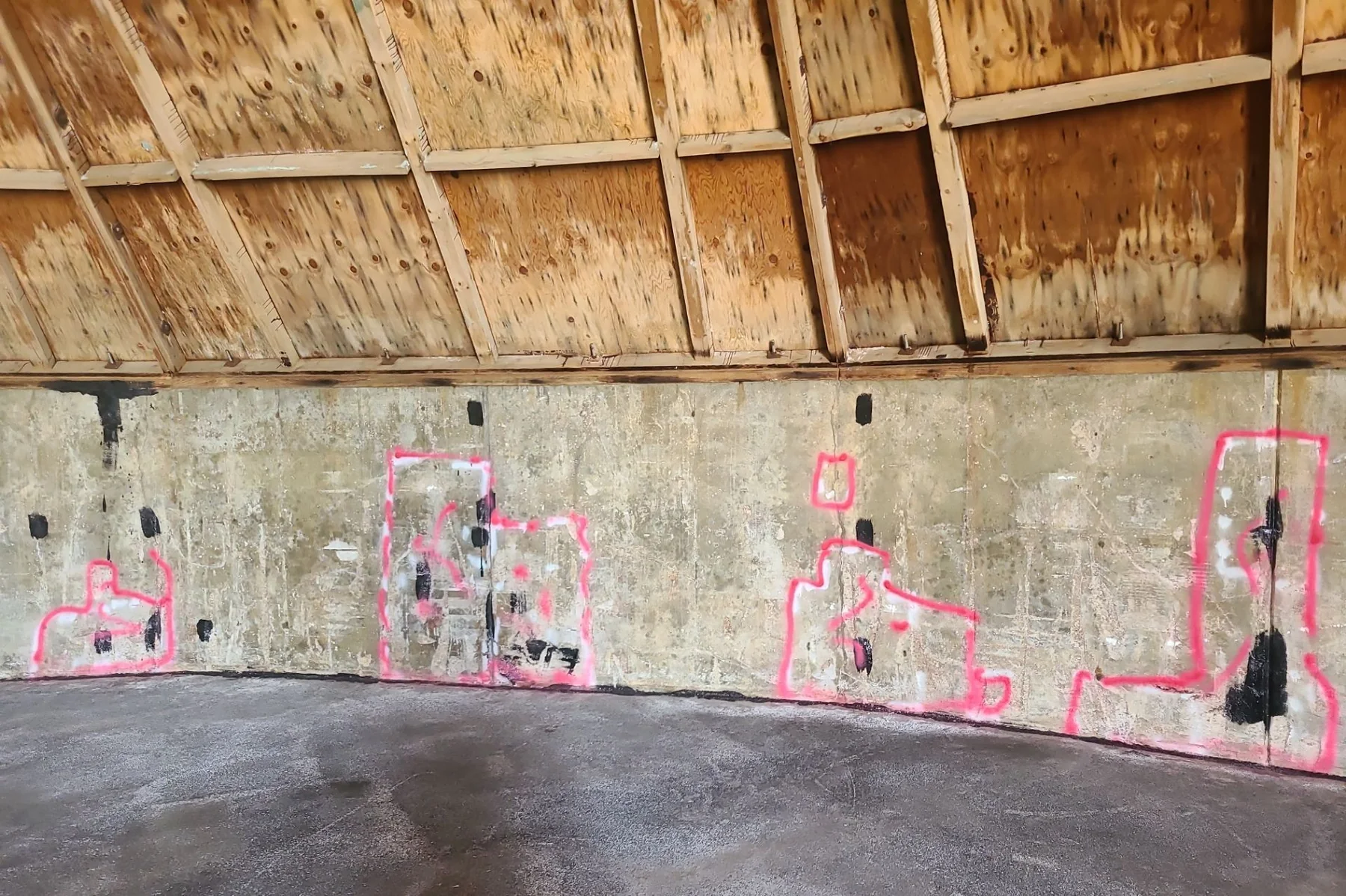
Pink layout markings identify repair zones before a protective system is reinstalled. Deteriorated concrete, salt contamination, weak surface paste, and failed previous coatings have to be addressed first; otherwise the new coating is only bonded to the problem layer.
Surface prep is usually the most important part. Depending on the substrate we may shot blast, grind, media blast, pressure wash, or perform concrete repairs first. If the surface isn’t properly prepared the coating won’t last.
Tayton EggenbergerRSI Minnesota Branch Manager
Midwest conditions are hard on coatings because the exposure changes all year. Concrete gets wet, freezes, thaws, takes deicing salt, dries under UV, and then repeats the cycle. The system has to handle moisture, movement, traffic, and chemicals before the first coat is opened.
Most early failures do not start with the pail. They start with a surface that was too dirty, too smooth, too wet, too deteriorated, or simply the wrong substrate for the coating that was chosen.
Dust, laitance, old coating, oil, salt residue, or weak concrete remains under the new film. Tayton puts it bluntly: “Shortcuts during prep” usually show up later as failures.
Exterior concrete, below-grade areas, top decks, washdown rooms, and mechanical spaces all carry different moisture loads. If vapor, ponding, or seasonal wetting is ignored, the coating can blister, soften, or release.
Salt exposure, chemicals, UV, and traffic demand different systems. A coating that works on steel “may not work at all” on exterior concrete, especially where freeze-thaw and chlorides are active.
Parking structures are often the most common coating environment because Midwest deicing salt concentrates at drive lanes, turning bays, ramps, and top-deck areas. Wear-through is a protection problem, not just an appearance problem.
Where vehicle traffic and chloride protection drive the scope, RSI may detail the work as part of a traffic coating or broader parking deck restoration project. The approach applies across the Upper Midwest, from operational ramps to municipal and industrial properties.
RSI does not start by choosing a color or a coating category. The first decisions are exposure, substrate condition, moisture, traffic, chemical contact, and maintenance expectations. From there, the crew can prepare the surface and install the system the structure actually needs.
Identify water exposure, deicing salt, chemicals, UV, movement, traffic, and maintenance expectations. Parking ramps, loading docks, water treatment spaces, and exposed steel each ask for a different answer.
Shot blast, grind, media blast, pressure wash, or complete concrete repairs before coating. Unsound concrete and contamination are not hidden by a coating; they are often where failure starts.
Choose from epoxies, urethanes, elastomeric coatings, cementitious coatings, corrosion-resistant systems, or specialty traffic coatings based on the application. “Depending on the application” is the key phrase.
Apply the system in the specified sequence and thickness, then protect the cure window from traffic, water, dust, and incompatible work nearby. The final film is only durable when the installation conditions are controlled.
A recent parking-structure coating scope followed this sequence: repair deteriorated concrete, prepare exposed drive lanes and top-deck areas, then install a traffic coating system designed for heavy vehicle traffic and chloride protection. For comparable ramp work, review RSI’s Bloomington Parking Ramp and RiverWest Parking Garage Restoration projects.
An industrial protective coating is a performance system applied to concrete, steel, or other building substrates to protect against water, chemicals, salt exposure, corrosion, UV damage, traffic wear, and general deterioration. It may improve appearance, but its main job is protection and service-life extension.
RSI installs epoxies, urethanes, elastomeric coatings, cementitious coatings, corrosion-resistant systems, and specialty traffic coatings. The right system depends on the substrate, moisture exposure, chemical exposure, traffic conditions, and long-term maintenance expectations.
Parking ramps are one of the most common applications in the Upper Midwest because deicing salts and freeze-thaw cycling are so hard on exposed concrete. RSI also uses protective coatings on industrial buildings, loading docks, water treatment facilities, mechanical spaces, salt-exposed areas, and exposed structural steel.
The coating can only bond to the surface it touches. Depending on the substrate, RSI may shot blast, grind, media blast, pressure wash, or complete concrete repairs first. If the surface is contaminated, weak, too smooth, or still deteriorated, the coating system will not perform as intended.
Not automatically. A coating system that performs well on structural steel may not be appropriate for exterior concrete. Steel, cast-in-place concrete, concrete decks, and masonry-related surfaces each move, absorb moisture, corrode, and weather differently, so the coating has to be matched to the specific substrate and exposure.
It depends on the existing coating’s condition, adhesion, compatibility, and the requirements of the new system. Failed, loose, incompatible, or contaminated coatings usually need removal and profiling before the new system is installed. Sound existing systems may sometimes be prepared and recoated if the manufacturer allows it.
RSI reviews the environment, substrate condition, moisture exposure, chemical exposure, traffic conditions, deterioration, and maintenance expectations. On parking structures, that often includes checking exposed drive lanes, top-deck areas, deteriorated concrete, and locations where chlorides have been reaching the slab.
RSI installs industrial protective coatings across the Upper Midwest for parking structures, loading docks, industrial facilities, mechanical spaces, salt-exposed concrete, and exposed steel. We start with the substrate and exposure so the coating system is selected for the condition it has to survive.