01
Structural need
Shelf angles, lintels, supports, plates, brackets, and anchoring systems are detailed around the load path and the condition of the existing concrete, masonry, or framing receiving them.

Field-measured metalwork for the building that is actually in front of us.
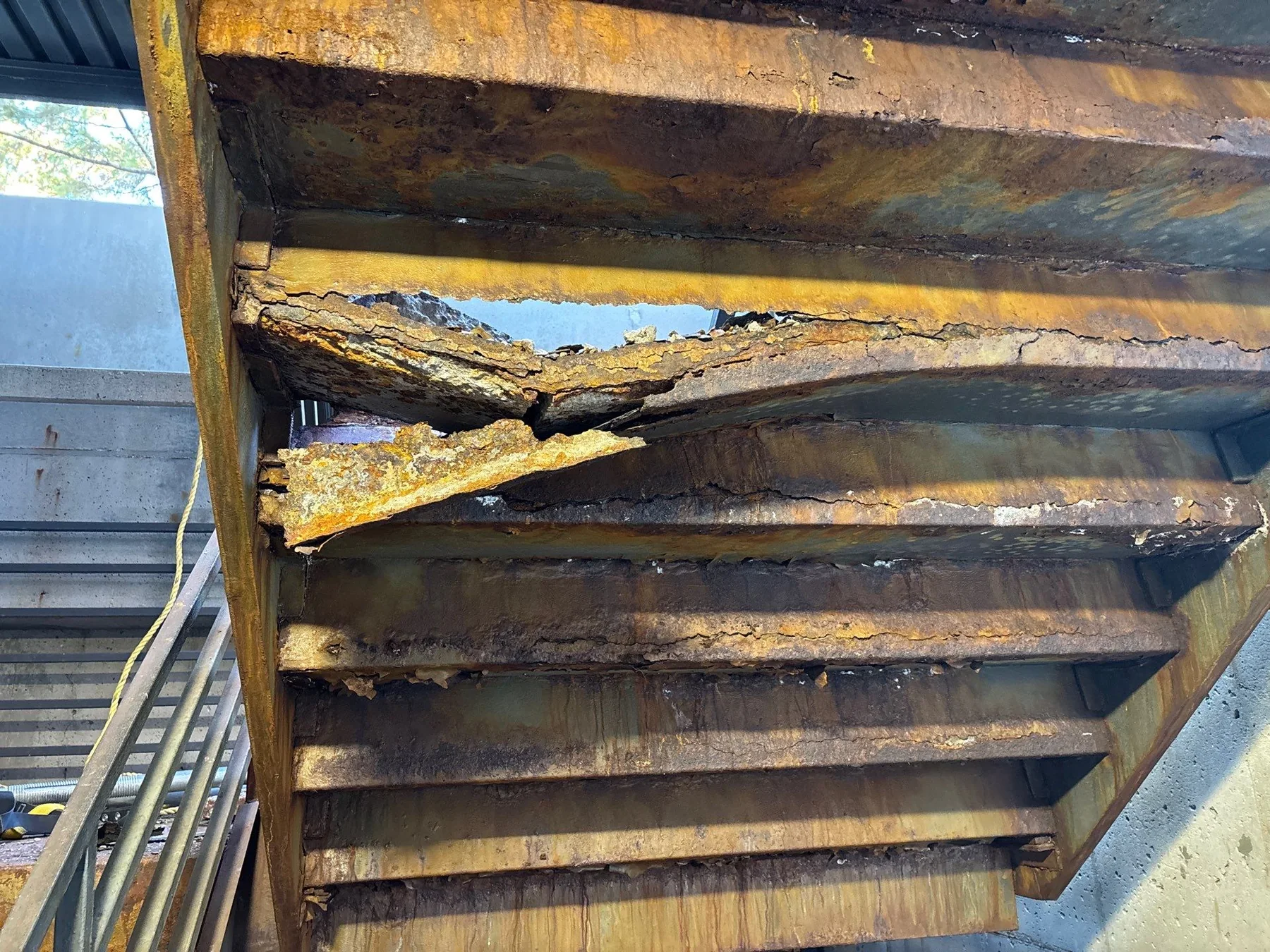
A corroded shelf angle does not wait for a catalog part. A lintel buried behind old masonry may not line up with the original drawing. An embed plate opened during concrete repair may need a bracket that no supplier stocks. RSI fabricates custom steel components, connection hardware, embedded pieces, rail and guard components, anchoring systems, and transition metals around real conditions in the field, because on existing buildings “standard off-the-shelf components simply do not fit or perform properly” often enough to stop the job.

In commercial restoration, structural metal fabrication is not just shop work. It is the bridge between an existing building with irregular, aging, or deteriorated conditions and the new components needed to make the repair perform. RSI fabricates custom steel and specialty metal pieces such as shelf angles, lintels, structural supports, railings and guard components, connection plates, brackets, embed plates, anchoring systems, miscellaneous steel supports, custom flashing, and transition metals.
Those pieces often become part of larger restoration scopes: masonry and facade repairs, parking structure rehabilitation, waterproofing transitions, and structural stabilization. A standard part may look close on paper, but after demolition or investigation reveals the actual geometry, corrosion, bearing condition, or connection point, a forced fit can create alignment problems and long-term performance issues.
RSI’s process starts with field investigation and measurement, then moves into fabrication details based on the structural and restoration requirements of the project. Components are fabricated, prepared, and coordinated with the installation team before they are integrated on-site. That field-to-shop-to-field loop matters because a clean shop drawing is only useful if the finished component fits the exposed condition and works with the surrounding concrete, masonry, waterproofing, sealants, or facade assemblies.
The advantage of in-house fabrication is speed, control, and adaptability. When a restoration opening exposes a discontinued component, a misaligned bearing point, or a connection that no longer matches the assumptions, RSI can adjust the detail, fabricate the needed piece, and keep the repair sequence moving with fewer handoffs to outside fabricators.
Fabricated brackets, plates, rails, shelf angles, and supports frequently tie into related RSI services such as building facade restoration, parking deck restoration, concrete repair, and commercial waterproofing. Keeping fabrication connected to the restoration scope helps protect fit, quality control, and schedule on active commercial properties across the Upper Midwest.
A few of RSI’s Structural Metal Fabrication for Commercial Restoration projects
The right fabricated part is not selected from one standard alone. RSI looks at structural need, environmental exposure, corrosion resistance, surrounding materials, and how the component will be installed inside the larger repair. Formal standards still matter, but the field condition decides what has to be built.
Shelf angles, lintels, supports, plates, brackets, and anchoring systems are detailed around the load path and the condition of the existing concrete, masonry, or framing receiving them.
RSI works with structural steel, galvanized steel, stainless steel, aluminum, and specialty fabricated components when project requirements call for them.
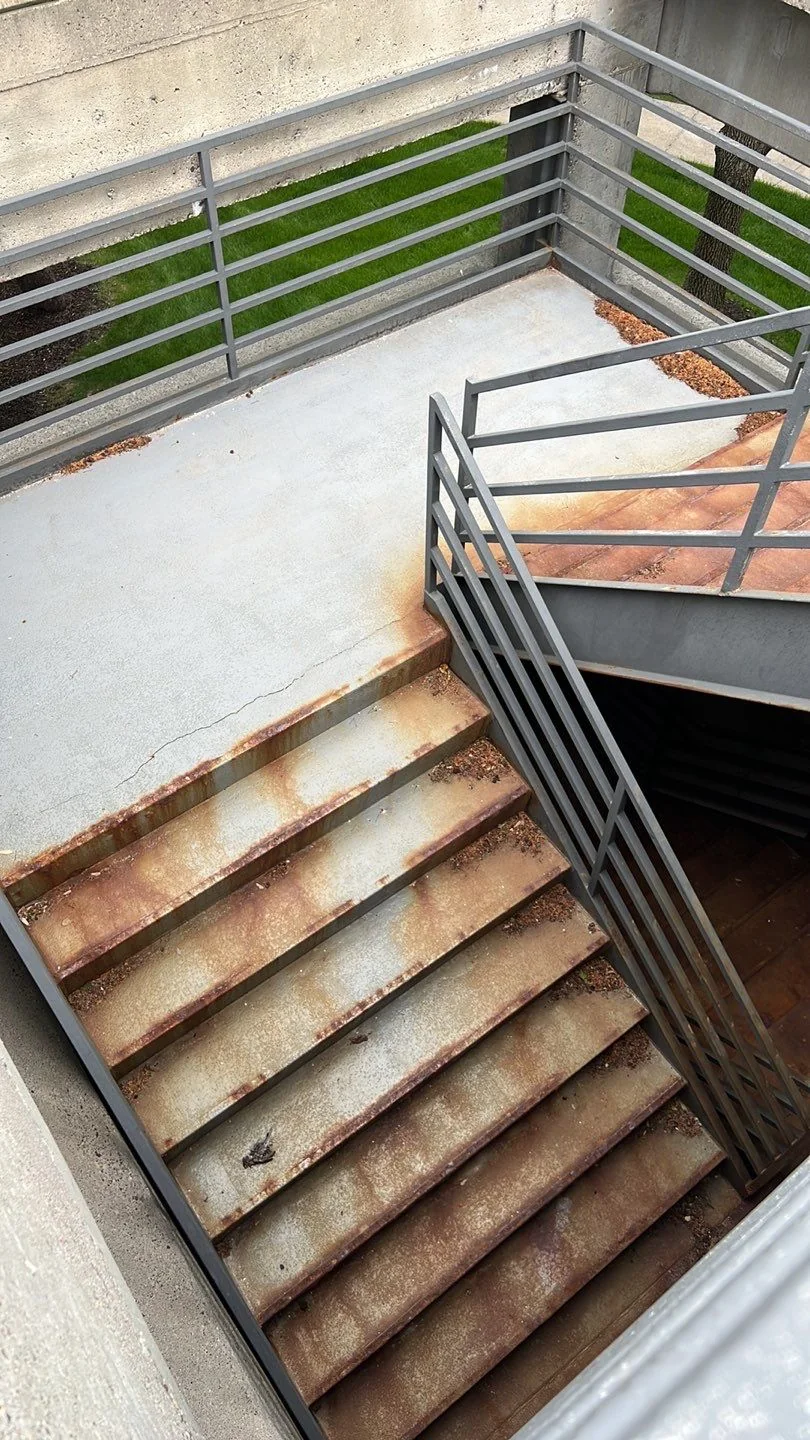
Where fabricated guards, rails, stairs, or structural members affect safety, geometry, or access, the work is coordinated with the project requirements and applicable building-code criteria such as the IBC [IBC].
Exterior and moisture-exposed steel may require galvanizing coordination, surface preparation, or other finish decisions tied to corrosion resistance and compatibility with the surrounding systems [ASTM A123].
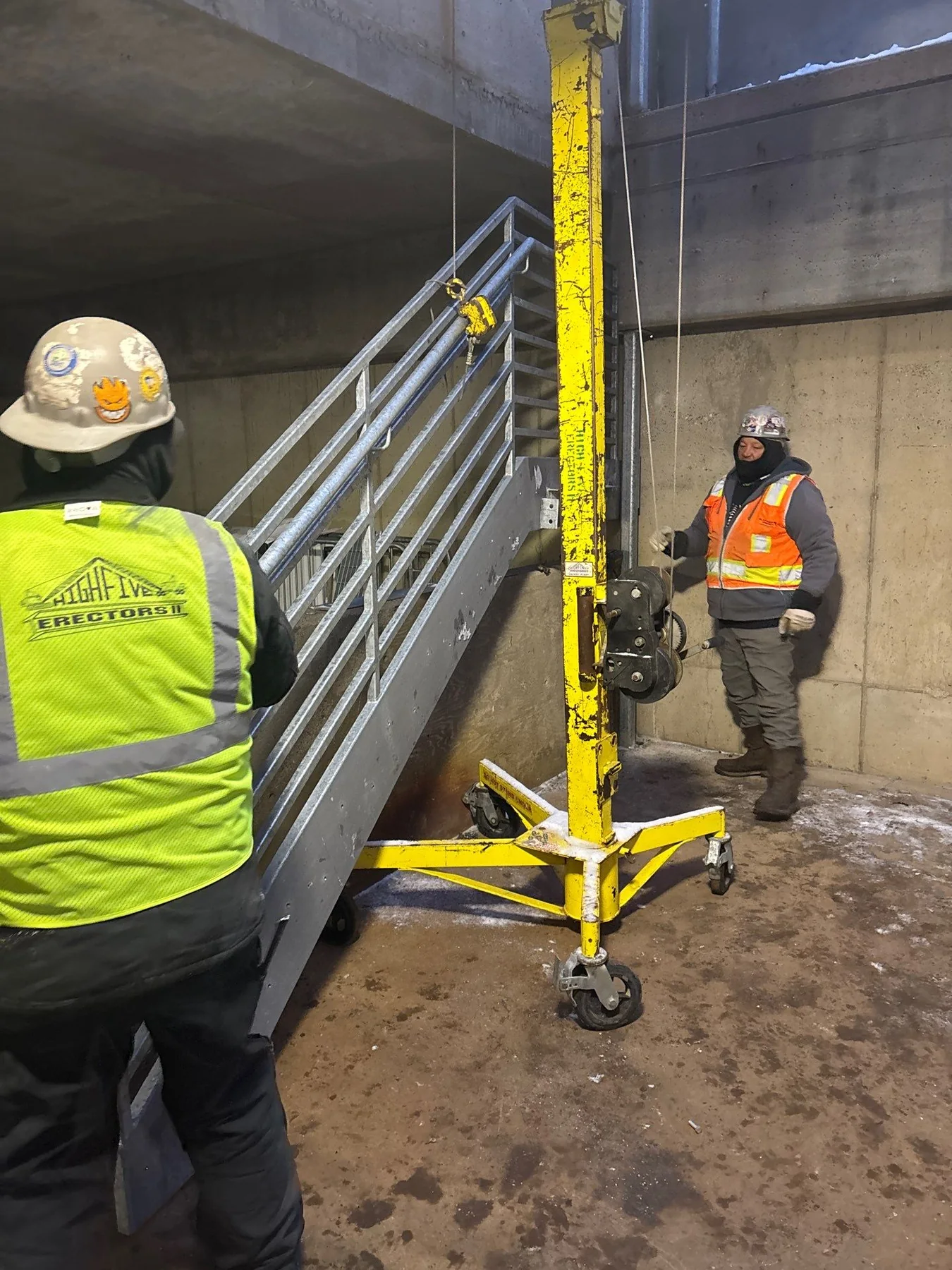
RSI’s fabrication process can include welding, cutting and forming, drilling and machining, galvanizing coordination, surface preparation, and custom assembly fabrication. The value is not only that the part is made; it is that the fabrication team and installation team stay coordinated so the finished component lands where the building can actually receive it.
Without fabrication capability, projects often experience longer lead times, more coordination challenges, and reduced flexibility when unexpected field conditions arise. Existing buildings rarely match original drawings perfectly.
Dan LephardtRSI Wisconsin Branch Manager
Upper Midwest buildings put fabricated metal through wet-dry cycles, deicing-salt exposure, freeze-thaw movement, and years of undocumented modification. The failures are usually practical: the piece was measured from a drawing instead of the opening, the finish did not match the exposure, or the fabricated work was not coordinated with the repair around it.
RSI’s in-house fabrication helps the team “respond faster” when opened conditions do not match the plan. On active commercial properties, that flexibility can prevent a steel issue from turning into a shutdown of the larger restoration sequence.
Original drawings are useful background, but they are not a substitute for field measurement. Movement, prior repairs, corrosion, and undocumented changes can leave a shelf angle, lintel, stair support, or bracket location out of line with the paper record.
Commercial restoration often exposes irregular conditions and discontinued components. Custom fabrication lets RSI build pieces “tailored to the exact building conditions in the field” instead of trimming, shimming, and compromising a stock part until it almost fits.
Material and finish should be chosen before fabrication is locked. Structural steel, galvanized steel, stainless steel, aluminum, and specialty metals each behave differently around water, salts, concrete, masonry, sealants, and coatings.
When the shop, field crew, concrete repair, waterproofing, and facade work are disconnected, the joints between scopes become failure points. RSI keeps fabrication and installation coordinated so the metal component works as part of the repair, not as a late add-on.
On parking structures, fabricated embeds, plates, and supports often have to coordinate with concrete repair, traffic coatings, and hot-applied waterproofing so the connection does not become a new water path.
The sequence is simple, but the discipline matters: investigate the existing condition, detail the component around the repair, fabricate it, then install it with the team that understands the surrounding work. That is how custom metalwork delivers “better fit, better performance, and more durable long-term repairs.”
RSI documents existing conditions before fabrication details are finalized: dimensions, substrate condition, deterioration, access, adjacent systems, and the way the new metal has to tie into the larger repair.
Details are developed around structural and restoration requirements, including material selection, connection points, corrosion exposure, surrounding concrete or masonry, and the installation sequence.
Cutting, forming, welding, drilling, machining, surface preparation, galvanizing coordination, and custom assembly work are completed against field-verified details.
The fabricated component is coordinated with the installation team before it is set in place. That handoff matters on active properties where “schedule and coordination are critical” and unexpected conditions can otherwise stall the work.
A typical example is a facade project where deteriorated shelf angles supporting masonry veneer have to be replaced. RSI can field-measure the irregular condition, fabricate custom steel shelf angles and connection hardware, and integrate the new steel into the facade repair. For comparable exterior-envelope sequencing, see 801 Washington Exterior Restoration and RSI’s building facade restoration work.
RSI fabricates custom steel components, structural reinforcement pieces, connection hardware, embedded components, shelf angles, lintels, railings and guard components, connection plates, brackets, embed plates, anchoring systems, miscellaneous steel supports, custom flashing, transition metals, and specialty restoration assemblies designed for existing buildings.
It gives RSI better control over fit, quality, and response time. When unexpected field conditions appear, RSI can adjust details, fabricate custom pieces, and keep the project moving without waiting as long on outside fabrication resources.
It starts with field investigation and measurement. RSI documents the existing conditions, develops fabrication details around the structural and restoration requirements, fabricates and prepares the components, then coordinates with the installation team before the parts are integrated into the work on-site.
Depending on the project, RSI works with structural steel, galvanized steel, stainless steel, aluminum, and specialty fabricated components. Processes may include welding, cutting and forming, drilling and machining, galvanizing coordination, surface preparation, and custom assembly fabrication.
Custom fabrication is usually the better path when the building has irregular existing conditions, aging structure, discontinued components, or alignment that no standard part can accommodate cleanly. The goal is to design the component for the structure being repaired instead of forcing a generic solution into a unique condition.
Yes. RSI commonly fabricates custom shelf angles and connection hardware for facade restoration, including conditions where deteriorated shelf angles supporting masonry veneer require replacement and standard components do not align with the existing building geometry.
Projects can face longer lead times, more coordination challenges, and less flexibility when unforeseen conditions appear. The work may pause while dimensions are revised, outside shops are rescheduled, or specialty components are reordered. RSI’s fabrication capability helps reduce those delays on active commercial projects across the Upper Midwest.
RSI fabricates and installs custom metal components for commercial restoration across the Upper Midwest. We field-measure the condition, build the component around the repair, and coordinate the handoff from shop to field so the piece fits the structure and the sequence.