
Surface Preparation Services
Over 70% of coating failures trace back to one cause: improper surface preparation. RSI doesn’t just follow the industry standards—our team helped create them.
When protective coatings fail prematurely, building owners face costly repairs, safety hazards, and structural damage that compounds over time. The difference between a coating system that lasts 15 years and one that fails in 3 comes down to what happens before the first drop of coating is applied. At Restoration Systems Inc., our surface preparation expertise—refined over more than two decades and 300+ projects—ensures your investment performs as designed.

What is Surface Preparation?
Surface preparation is the critical process of preparing concrete, masonry, or existing coated surfaces to receive new protective coatings, waterproofing systems, or repair materials. Proper surface preparation creates the mechanical bond and cleanliness conditions necessary for coating systems to adhere properly and perform as specified.
Key Elements of Effective Surface Preparation:
- Proper Surface Profile (CSP)
- Complete Cleanliness
- Optimal Bonding Conditions
- Contamination Removal
- Moisture Control
“When you’re removing existing traffic coatings, you have to get it all off. Any remaining coating material can prevent the new system from bonding properly. It’s the foundation of everything that comes after.”
The True Cost of Improper Surface Preparation
When surface preparation is rushed, skipped, or done incorrectly, the consequences extend far beyond simple coating peeling. Improper preparation sets off a chain reaction of failures that can compromise an entire protective system.
Building owners often discover these problems months or years after installation—when the warranty has been voided due to improper substrate preparation, or when water infiltration has caused structural damage beneath failed coatings. The costs of remediation typically run 3-5 times higher than doing the job correctly the first time.
Consequences of Poor Surface Prep
- Adhesion failures causing coating delamination
- Trapped moisture leading to blistering and bubbling
- Manufacturer warranty voidance
- Shortened system lifespan (often 50-75% reduction)
- Accelerated substrate deterioration
- Costly emergency repairs and re-application
“We’ve consistently seen that improper preparation and improper removals lead to a shortened lifespan. If you are not taking the necessary precautions and not doing it the way the system is designed for, you will see those failures down the road.”
— Mike Hintsala, RSI Expert“The biggest risks are surface damage, adhesion failures, and a shortened system life for that new traffic coating.”
— Tayton Eggenberger, Branch Manager, Minnesota, RSI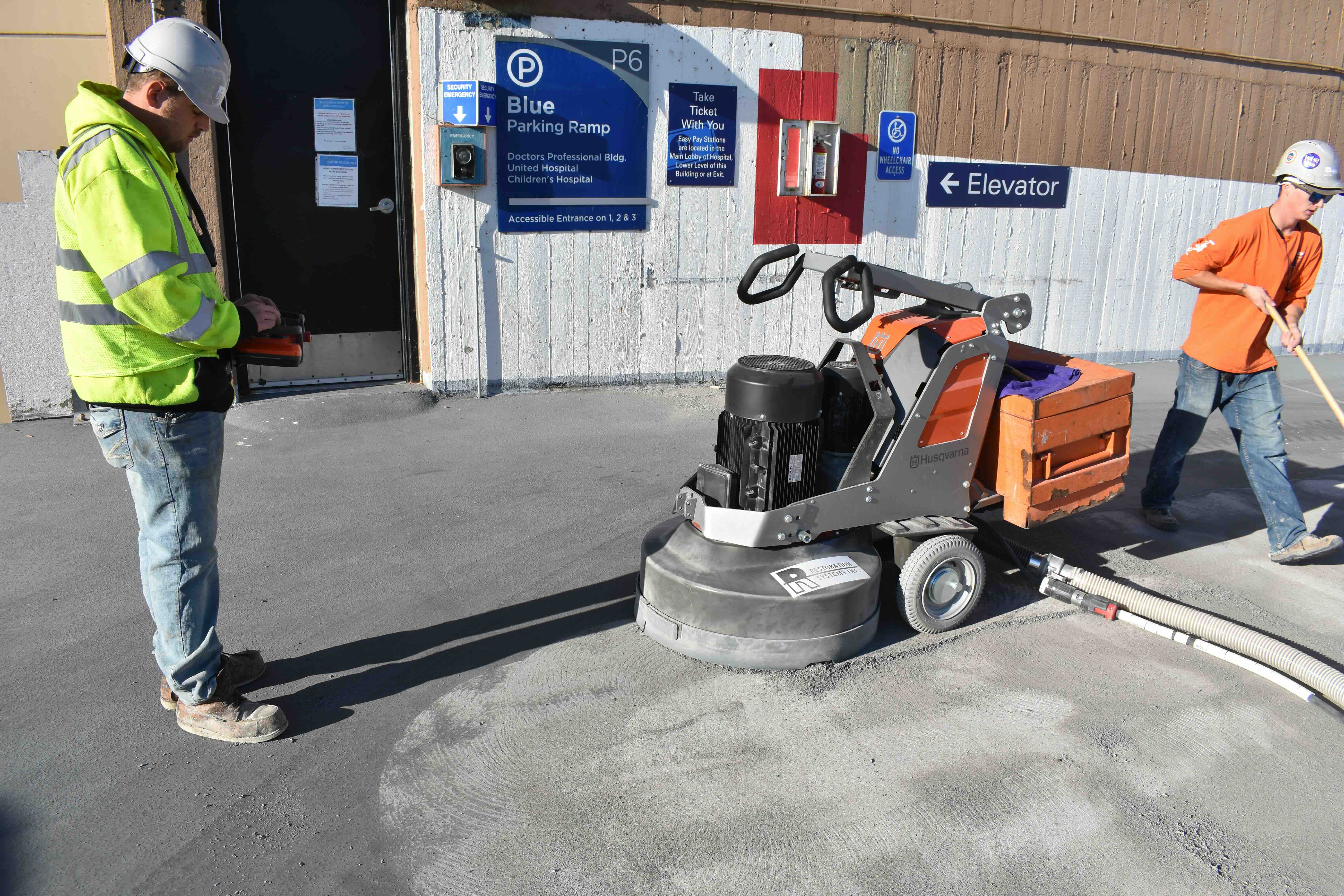
RSI’s Industry-Defining Expertise
The International Concrete Repair Institute (ICRI) Concrete Surface Profile (CSP) standards are the definitive benchmark for surface preparation across the construction industry. These 10 profile levels—ranging from nearly smooth (CSP 1) to aggressive texture (CSP 10)—determine which preparation method is appropriate for any given coating system. Manufacturers specify CSP requirements. Engineers verify them. Every competent contractor follows them.
What sets RSI apart is that our team didn’t just learn these standards—we helped create them.
Mike Hintsala, RSI Expert, was directly involved in developing the ICRI CSP standards that define acceptable surface preparation levels across the industry. As a professional who worked on establishing these benchmarks, Mike brings an unparalleled depth of understanding to every RSI project.
This isn’t just institutional knowledge passed down through training manuals. When RSI evaluates a substrate, selects a preparation method, or verifies profile adequacy, we’re applying expertise that comes from the source. Our team understands not just what the standards require, but why they exist—the failure modes they prevent, the performance they ensure, and the science behind the specifications.
“I spent years helping develop the concrete surface profile standards that the industry uses today. We created the physical molds that define acceptable preparation levels for coating adhesion. Having contributed to establishing these standards, I bring that same rigorous approach to every project—ensuring our surface preparation meets or exceeds the specifications I helped create.”
ICRI Concrete Surface Profile Standards
The International Concrete Repair Institute (ICRI) defines 10 standardized surface profiles (CSP 1-10) that determine the appropriate preparation method for any coating system. Understanding these profiles is essential for specifying the right surface preparation approach.
| CSP Level | Primary Method | Profile Depth | Typical Applications |
|---|---|---|---|
| CSP 1 | Acid Etching | ~0.5mm | Thin sealers, stains, very low-build coatings |
| CSP 2 | Light Grinding | ~0.5-1mm | Thin-film coatings, light-duty floor paints |
| CSP 3 | Light Shot Blasting | ~1-1.5mm | Polymer overlays, medium-build coatings |
| CSP 4 | Light Scarifying | ~1.5-2mm | Self-leveling overlays, thick epoxy systems |
| CSP 5 | Medium Shot Blasting | ~2-2.5mm | Traffic coatings, parking deck membranes |
| CSP 6 | Medium Scarifying | ~2.5-3mm | Thick-film systems, heavy-duty coatings |
| CSP 7 | Heavy Shot Blasting | ~3-4mm | Broadcast systems, aggregate-filled coatings |
| CSP 8 | Scabbling | ~4-5mm | Polymer concrete, heavy overlays |
| CSP 9 | Heavy Scarifying | ~5-6mm | Cementitious overlays, leveling compounds |
| CSP 10 | Hydrodemolition | ~6mm+ | Structural repairs, deep concrete removal |
Important: Coating manufacturers specify minimum CSP requirements for their products. Using a profile that’s too shallow prevents proper adhesion; a profile that’s too aggressive can lead to coating consumption and inadequate coverage. RSI’s expertise ensures the correct CSP is achieved for every application.
Surface Preparation Methods
Different substrates, coating systems, and project conditions require different preparation approaches. RSI’s team evaluates every project to select the optimal method—or combination of methods—for your specific application.
Shot Blasting
CSP 4-9How it works: High-velocity steel shot is propelled at the surface by a centrifugal wheel. The impact removes coatings, laitance, and contaminants while creating a consistent surface profile. Shot is captured, cleaned, and recirculated in a closed system.
Best For
Traffic coatings, large flat areas, parking deck preparation
Speed
High — up to 5,000+ SF/hour
- Highly versatile across CSP range
- Consistent, uniform profile
- Built-in dust containment system
- Not suitable for vertical surfaces
- Limited effectiveness in corners/edges
Scarifying
CSP 6-9How it works: A rotating drum equipped with carbide-tipped cutters mechanically removes material from the surface. The aggressive cutting action is effective for thick coating removal and creating deep surface profiles for heavy-duty overlay systems.
Best For
Aggressive coating removal, thick overlays, deep profile requirements
Speed
High — excellent for heavy removal
- Fast removal of thick materials
- Creates very deep profiles
- Effective on heavily contaminated surfaces
- Can damage substrate if improperly operated
- Leaves directional pattern requiring secondary prep
Diamond Grinding
CSP 1-3How it works: Rotating diamond-segmented discs abrade the concrete surface with precision. The process smooths, levels, and lightly profiles the substrate—ideal for thin-film coatings and when maintaining tight tolerances.
Best For
Smoothing, leveling, light preparation, polished concrete
Speed
Moderate — depends on desired finish
- Precision surface preparation
- Smooth, consistent finish
- Excellent for thin-film applications
- Limited profile depth capability
- Not for heavy coating removal
Hydrodemolition
CSP 7-10How it works: High-pressure water jets (20,000+ PSI) selectively remove deteriorated concrete and expose sound substrate. Water pressure removes only weak or damaged material while preserving sound concrete and reinforcing steel.
Best For
Selective concrete removal, rebar exposure, structural repairs
Speed
Variable — depends on removal depth
- No microcracking of remaining concrete
- Preserves and cleans reinforcing steel
- Selectively removes only damaged material
- Requires water management/containment
- Higher equipment costs
Chemical Stripping
N/A — Removal OnlyHow it works: Chemical agents are applied to dissolve and soften existing coatings, allowing removal without mechanical impact to the substrate. Particularly useful for sensitive substrates or when mechanical methods could cause damage.
Best For
Sensitive substrates, specific coating types, areas where mechanical impact is undesirable
Speed
Slow — requires dwell time and multiple applications
- No mechanical impact on substrate
- Effective on specific coating chemistries
- Good for sensitive or historic structures
- Slower application and removal process
- Waste disposal requirements
- Does not create surface profile (secondary prep usually needed)
“The chemical is the least common method for RSI. Most of our projects involve traffic coatings where mechanical methods like robotic grinding and shot blasting give us the profile and efficiency we need.”
— Tayton Eggenberger, Branch Manager, Minnesota, RSISurface Preparation Methods Comparison
Use this quick-reference comparison to understand how different preparation methods stack up for your project requirements.
| Method | CSP Range | Speed | Debris Level | Best Applications | Limitations |
|---|---|---|---|---|---|
| Shot Blasting | CSP 4-9 | High | Low (contained) | Traffic coatings, large flat areas, parking decks | Horizontal surfaces only; limited corner access |
| Scarifying | CSP 6-9 | High | Moderate | Aggressive coating removal, thick overlays | Can damage substrate; directional pattern |
| Diamond Grinding | CSP 1-3 | Moderate | Low | Smoothing, leveling, light prep, polished concrete | Limited profile depth; not for heavy removal |
| Hydrodemolition | CSP 7-10 | Moderate | High (water management) | Selective removal, rebar exposure, structural repairs | Water containment required; higher cost |
| Chemical Stripping | N/A | Slow | Low-Moderate | Sensitive substrates, specific coating removal | Slow; disposal requirements; no profile creation |
RSI’s Surface Preparation Process
Every successful coating installation starts with a systematic approach to surface preparation. RSI follows a proven four-step process that ensures optimal results regardless of project complexity.
Assessment & Specification Review
Before any equipment arrives on site, RSI’s team conducts a thorough substrate assessment. We evaluate existing conditions, identify contaminants or coatings that must be removed, and review manufacturer specifications for the intended coating system. This phase determines CSP requirements, identifies potential challenges, and establishes success criteria.
Method Selection
Based on assessment findings, we select the optimal preparation method—or combination of methods—for your specific project. Factors include existing coating type, required CSP level, substrate condition, access constraints, and schedule requirements. The right method selection prevents damage while ensuring proper bonding conditions.
“Every project is different. The age of the existing coating, the type of substrate, the manufacturer requirements for the new system—all of these factors influence which methods we use and how we approach the work.”
— Tayton Eggenberger, Branch Manager, Minnesota, RSIExecution with Advanced Equipment
RSI deploys industry-leading equipment operated by experienced craftsmen. Our robotic grinding systems, self-propelled shot blasters, and specialized removal tools ensure consistent results across large areas while maintaining the precision needed for detailed work. Continuous quality monitoring throughout execution catches issues before they become problems.
Quality Verification
Before coating application begins, RSI verifies that prepared surfaces meet specification requirements. We use ICRI CSP comparator chips, adhesion testing, and visual inspection to confirm proper profile achievement, cleanliness, and bonding conditions. This verification step protects both the coating system performance and project warranties.
“The manufacturer representatives know that we understand the standard and that we meet and exceed it. When the engineers come to verify, they’re confirming what we’ve already documented.”
— Tayton Eggenberger, Branch Manager, Minnesota, RSI
Robotic Grinding Technology
While many contractors still rely on manual grinding methods that put workers on their hands and knees with disc grinders, RSI has invested in robotic grinding technology that delivers superior results with improved safety, consistency, and efficiency.
Our robotic grinders use remote-controlled mechanisms to remove traffic coatings and prepare surfaces with precision that manual methods cannot match. Operators stand upright, controlling the equipment remotely while maintaining clear visibility of the work area.
- Consistency: Robotic control eliminates human variability for uniform surface profiles across large areas
- Efficiency: Continuous operation capabilities increase production rates and reduce project timelines
- Worker Safety: Ergonomic operation reduces strain injuries common with manual grinding
- Precision: Controlled removal depth prevents substrate damage while achieving spec requirements
Combined with our shot blasting capabilities for achieving correct surface profiles, RSI’s equipment fleet enables us to tackle projects of any scale while maintaining the quality standards that protect long-term coating performance.
“We utilize robotic grinders—we’re milling off the traffic coating using a robotic control mechanism. There’s no one on their hands and knees grinding with a disc grinder. Our crew is standing up, using a remote to control the removal.”
— Tayton Eggenberger, Branch Manager, Minnesota, RSIMidwest Surface Preparation Challenges
The Midwest’s dramatic temperature swings create unique challenges for concrete and coating systems that contractors in temperate climates rarely encounter. Understanding these regional factors is essential for effective surface preparation and long-lasting restoration results.
The freeze-thaw cycle is particularly destructive to concrete structures. During warmer months, water infiltrates through cracks, pores, and failed coating areas. When temperatures drop, that water expands as it freezes—by approximately 9%—creating internal pressure that widens existing cracks and creates new damage pathways.
“The freeze thaw cycle causes the expansion of the materials as water infiltrates those materials in the summer. In the fall, as that freezes, it expands and it causes cracks. Those cracks then compound through several freeze thaw cycles to a completely unstable facade.”
— Mike Hintsala, RSI ExpertThis cycle repeats throughout Minnesota, Wisconsin, and the broader Midwest region—often 50-100 times per year in exposed structures. Each cycle compounds previous damage, accelerating deterioration and making proper surface preparation even more critical for lasting repairs.
Temperature also affects when surface preparation work can be performed. Most coating systems require substrate temperatures above 40°F, with overnight temperatures that won’t drop below freezing. This creates a defined working season that smart building owners leverage through proactive planning.
Optimal Project Timing
RSI recommends a proactive approach to restoration scheduling:
- Winter (Nov-Mar): Assessment, planning, and project scoping
- Spring (Apr-May): Project mobilization and execution
- Summer (Jun-Aug): Peak production season
- Fall (Sep-Oct): Final installations before weather turn
“In a perfect world, I’m out in the winter identifying, assessing, looking at buildings, looking at parking structures, and then in the spring, we’re executing on those projects.”
— Tayton Eggenberger, Branch Manager, Minnesota, RSI
Featured Surface Preparation Projects
RSI’s surface preparation expertise has contributed to successful restoration projects across the Midwest. Each project demonstrates our commitment to proper preparation as the foundation of lasting results.
 Featured
St. Paul, Minnesota
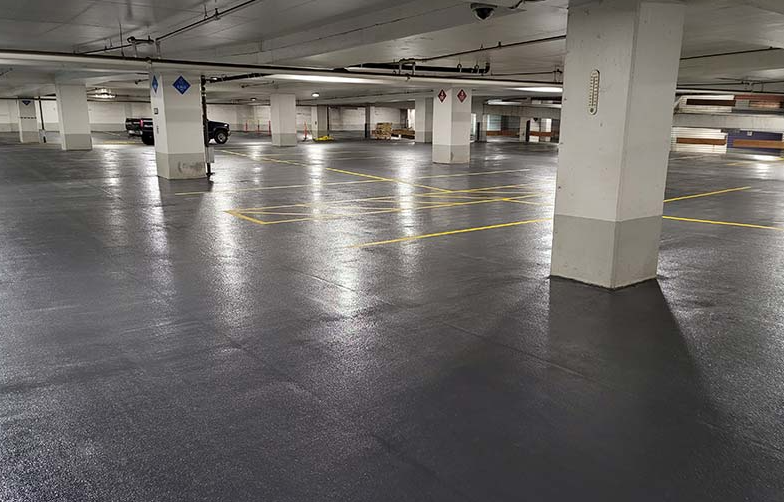
St. Paul Parking Structure
Multi-year traffic coating installation on 425,000+ SF requiring comprehensive surface preparation, structural concrete repairs, and expansion joint replacement.
Minneapolis, Minnesota
RiverWest Parking Garage
Complete existing traffic coating removal followed by 156,000 SF new traffic coating installation and 65,000+ SF clear penetrating sealer application.
Milwaukee, Wisconsin
Kenilworth Square Apartments
30,000 SF of failed coating system removal using recycled crushed glass aggregate media blasting, plus epoxy injections, concrete repairs, and exterior coating application.
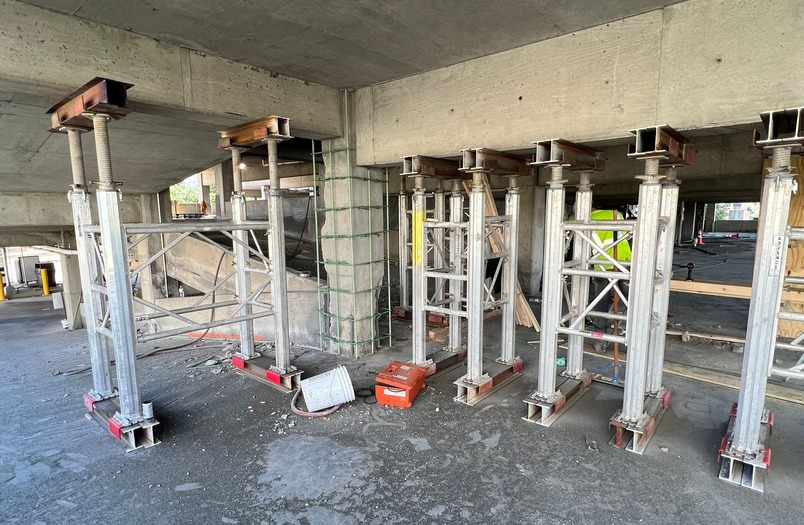
Minneapolis, Minnesota
University of Minnesota Prospect Park Ramp
Traffic coating installation on university parking structure with structural concrete repairs requiring extensive surface preparation.
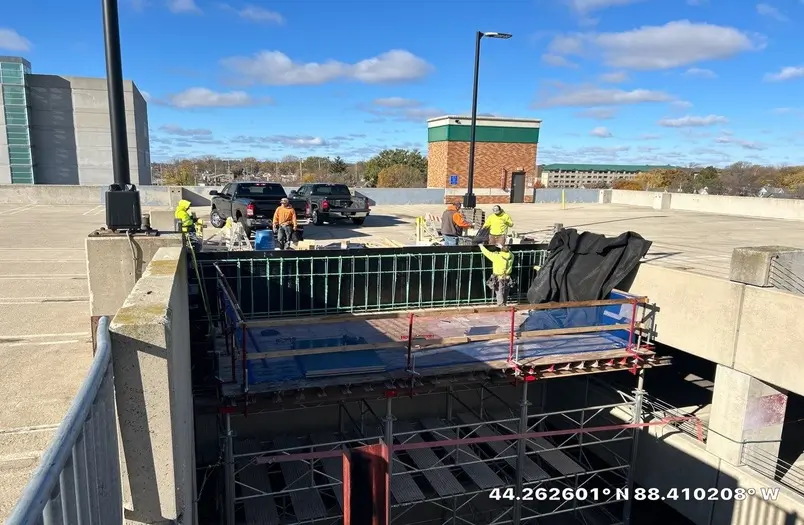
Appleton, Wisconsin
Appleton Parking Ramp
Concrete repairs and cast-in-place barrier wall installation requiring thorough surface preparation for structural bonding.
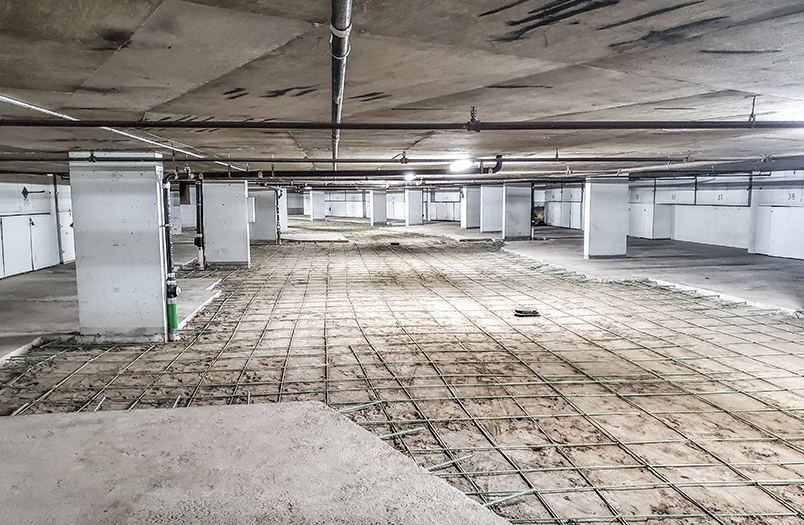
Minneapolis, Minnesota
Loring Way Condominiums
Slab-on-grade concrete replacement plus traffic coating installation on condominium garage—complete sequence from demolition through substrate prep to final coating.
St. Mary’s Cathedral Restoration
Location
Minneapolis, MN
Timeline
March – August 2024
Project Scope
15,000 sq ft
Building Type
Historic Landmark
Services Provided
Frequently Asked Questions
What types of restoration services do you offer?
+RSI specializes in a comprehensive range of structural restoration services including concrete repair, masonry restoration, waterproofing, and structural strengthening. We work on commercial, industrial, and institutional buildings.
Our services include crack injection, carbon fiber reinforcement, joint sealant replacement, facade restoration, and preventive maintenance programs tailored to your building’s specific needs.
How do you determine project costs?
+Every project begins with a thorough on-site assessment conducted by our project team. We evaluate the extent of damage, access requirements, materials needed, and project timeline to provide a detailed, transparent estimate.
Our estimates include itemized costs for labor, materials, equipment, and any specialized services required. We believe in no-surprise pricing and will clearly communicate any potential variables before work begins.
What is your typical project timeline?
+Project timelines vary based on scope, complexity, and access conditions. Small to medium repairs typically take 1-4 weeks, while comprehensive facade restorations may span several months.
We provide detailed project schedules at the start of each engagement and maintain open communication about progress. Our team is experienced at minimizing disruption to building operations and occupants.
Are you licensed and insured?
+Yes, RSI is fully licensed and carries comprehensive insurance coverage including general liability, workers’ compensation, and professional liability insurance. We can provide certificates of insurance upon request.
Our team includes certified restoration technicians with specialized training in the latest repair techniques and safety protocols. We partner with licensed professional engineers when projects require engineering expertise.
Do you offer warranties on your work?
+Absolutely. We stand behind our workmanship with comprehensive warranties. Standard repairs include a 5-year warranty, while structural repairs and waterproofing systems come with extended warranty options of up to 10 years.
Warranty terms are clearly outlined in your contract, and we maintain detailed project documentation to support any future warranty claims.
What areas do you serve?
+RSI provides restoration services throughout the Mid-Atlantic region, including major metropolitan areas and surrounding counties. Our headquarters and primary service area covers a 150-mile radius.
For larger projects outside our primary service area, we can often accommodate travel or partner with local contractors while providing project management and quality oversight. Contact us to discuss your specific location.
Ready to Start Your Restoration Project?
Contact us today for a free on-site assessment. Our team will evaluate your building’s needs and provide a detailed proposal with no obligation.