01
Clean
Remove dirt, chalking film, loose coating, oils, biological growth, and surface contamination so the new system bonds to the substrate instead of yesterday’s failure.

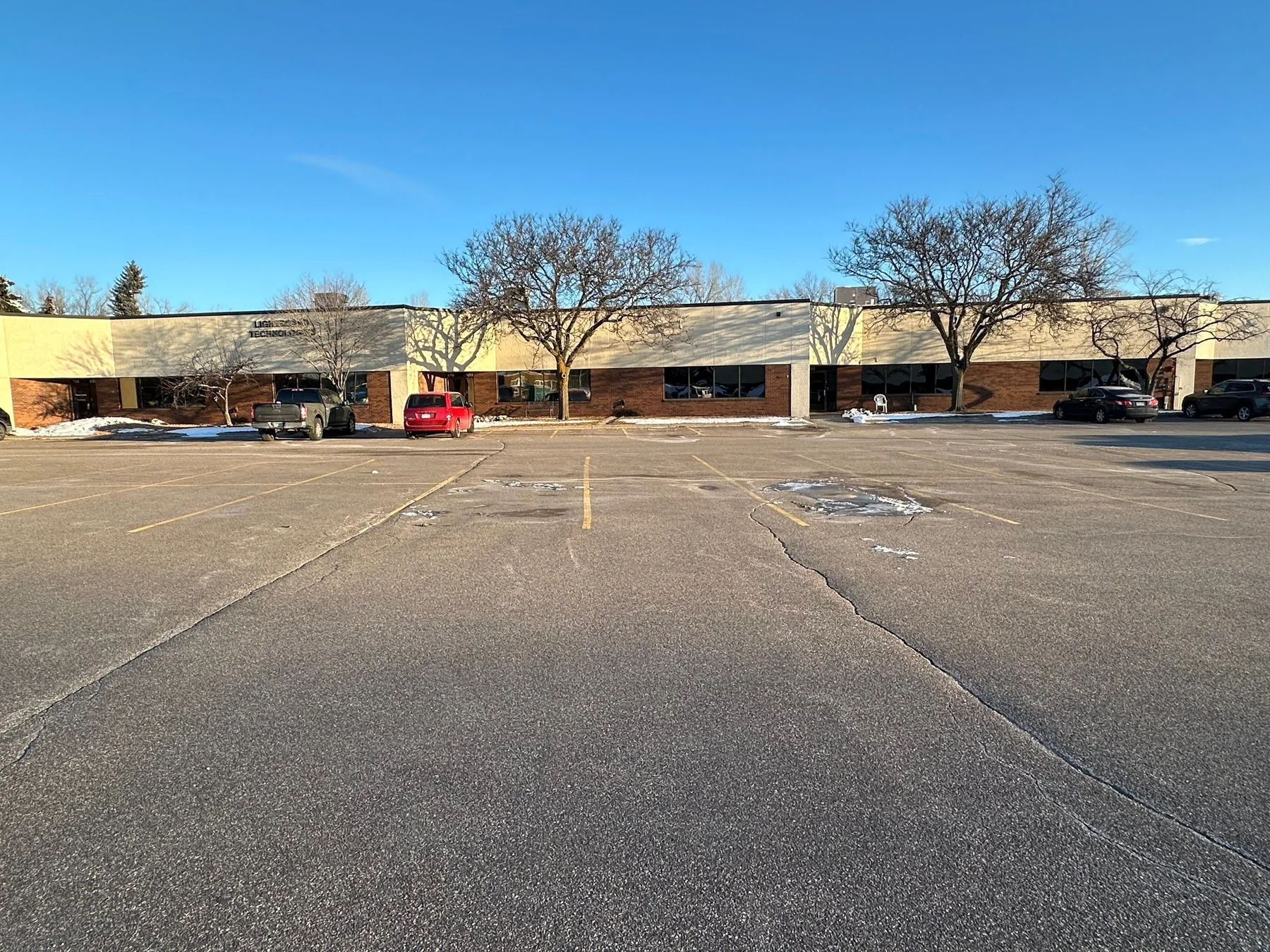
Exterior coating systems for commercial and industrial buildings where color, weather exposure, and wall performance all have to be handled together.
The first failure usually shows up at a joint, a spall, a chalking film, or a damp wall cavity long before anyone opens a bucket. RSI treats commercial exterior painting as part of the envelope: surface prep, repairs, compatible coatings, sealant tie-ins, waterproofing coordination, and application windows that respect Upper Midwest temperature swings, humidity, UV, and freeze-thaw cycles. As Tayton Eggenberger puts it, “prep is everything” because the finish coat can only perform as well as the surface below it.

On commercial and industrial buildings, exterior painting is not a residential paint-style scope scaled up. RSI looks at the substrate, the exposure, and the surrounding envelope conditions before selecting a coating. That can mean surface preparation, concrete or masonry repair, sealant work, waterproofing integration, and protective systems for concrete, masonry, steel, EIFS, and other exterior surfaces.
That envelope-first view is especially important across the Upper Midwest, where temperature swings, humidity, UV exposure, and freeze-thaw cycles all affect application timing and product selection. A coating that performs on one facade may be the wrong choice on another if moisture, movement, corrosion risk, or substrate deterioration are not addressed first.
The difference between a cosmetic repaint and a protective coating system is the problem being solved. Cosmetic painting is primarily about appearance. Protective coatings are selected to help manage moisture intrusion, UV exposure, freeze-thaw damage, corrosion, movement, or aging substrates. Depending on the building, RSI may use elastomeric coatings, acrylic systems, breathable masonry coatings, epoxy coatings, urethanes, or specialty systems matched to the surface and exposure.
Many coating scopes become larger once access is in place. On a commercial office facade, an owner may start with a repainting request, but failed sealants, deteriorated concrete, or waterproofing gaps can be the real reason the wall is leaking or the old finish is failing. In those cases, RSI sequences repairs first, then installs the coating system as part of the building envelope protection strategy.
That is why commercial exterior painting often connects directly to building facade restoration, caulking and sealant replacement, concrete repair, commercial waterproofing, and, where old coatings are failing, coating removal services.
A few of RSI’s Commercial Exterior Painting & Protective Coatings projects
A durable exterior coating specification is not built around a color chip. RSI looks at what the wall is made of, what has failed before, where water is getting in, how the building is accessed, and whether the weather window will allow the product to cure correctly. As Tayton says, “every building has different needs.”
Remove dirt, chalking film, loose coating, oils, biological growth, and surface contamination so the new system bonds to the substrate instead of yesterday’s failure.
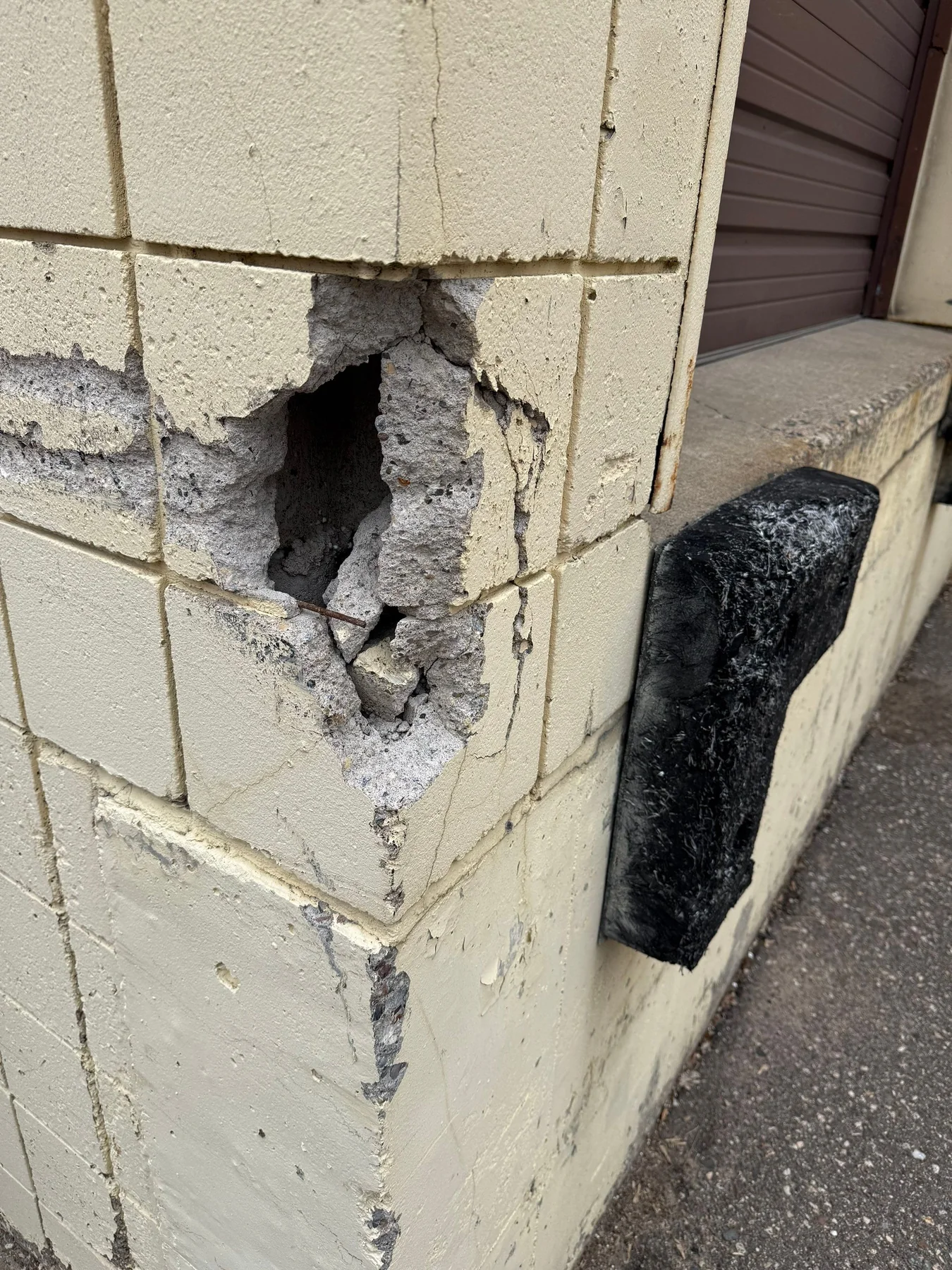
Repair spalled concrete, deteriorated masonry, failed joints, and unsound previous coatings before the new system is installed. A coating cannot restore material that has already lost integrity.
Match primer, body coat, and topcoat to the existing substrate and exposure: concrete, masonry, steel, EIFS, or previously coated exterior surfaces each behave differently.
Plan around temperature, humidity, surface moisture, wind, sun exposure, and cure time. In the Upper Midwest, a one-day delay can be the difference between a bonded coating and an early blister.
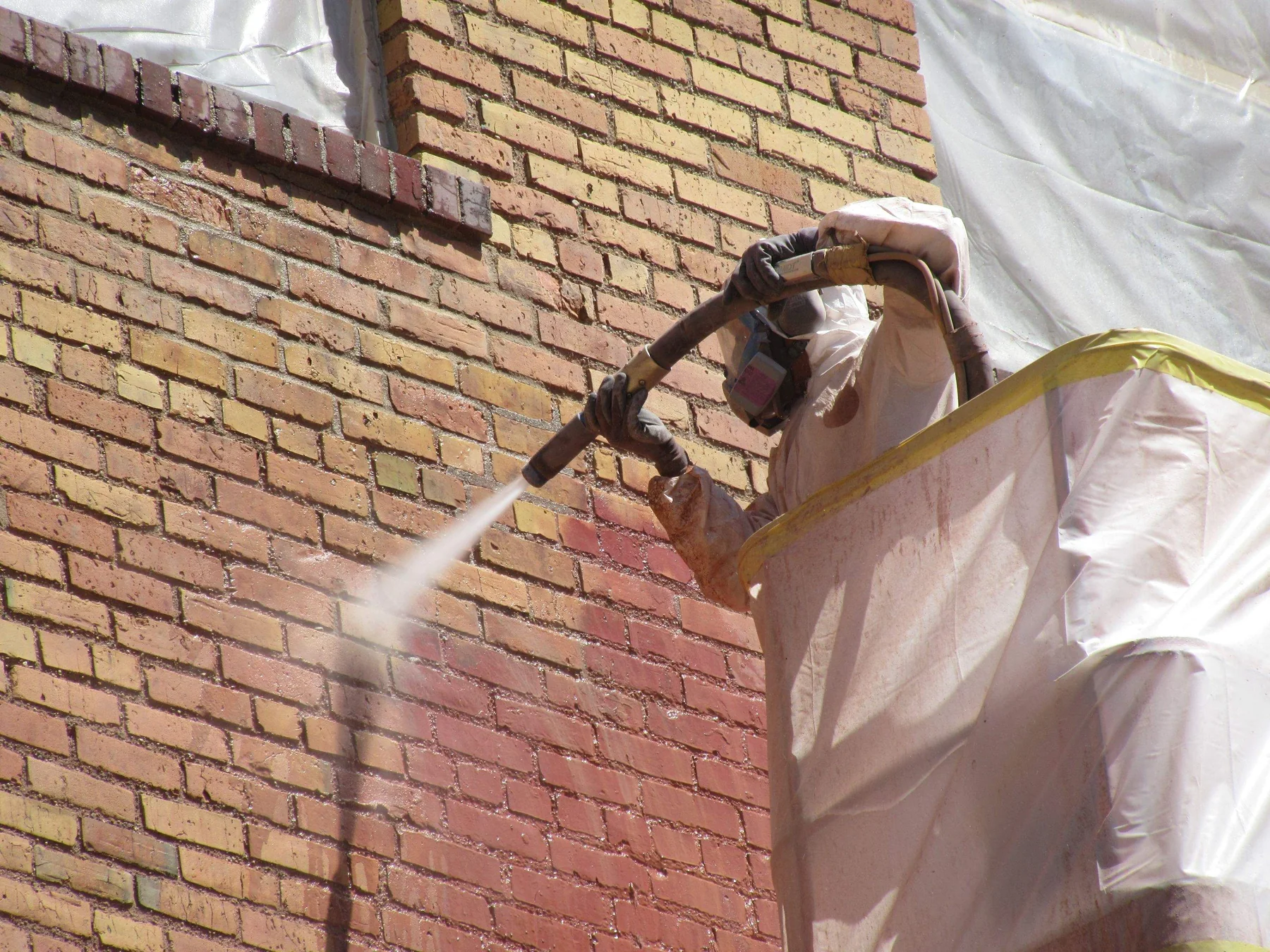
Surface preparation has to be aggressive enough to remove failure and controlled enough to protect the substrate, adjacent tenants, and surrounding property. The right method on a steel-framed industrial facility is not automatically the right method on masonry, EIFS, or an occupied office facade.
Prep is everything. If you coat over failing surfaces, dirt, moisture, or deteriorated material, the new coating system will fail early. Most coating failures we see are tied back to poor preparation, not necessarily bad products.
Tayton EggenbergerMinnesota Branch Manager, RSI
From Minneapolis and St. Paul to Milwaukee, Madison, and the broader Upper Midwest, coatings live through wet springs, hot UV exposure, humid summers, fast temperature swings, and freeze-thaw movement. The product matters, but the field decision before application usually matters more.
When the surface is dirty, damp, chalking, loose, or deteriorated, the coating is being asked to bond to failure. Tayton’s shorthand is blunt: “prep is everything.”
Loose paint, soft masonry, spalled concrete, and deteriorated EIFS do not become sound because a new film covers them. Most early failures start with surfaces that should have been repaired or removed first.
Concrete, masonry, steel, EIFS, and previously coated walls all move, absorb moisture, and weather differently. A breathable masonry coating, elastomeric system, acrylic, epoxy, or urethane each has a place – but not the same place.
Humidity, surface moisture, low overnight temperatures, and direct sun can all compromise cure. If a coating needs a specific temperature or moisture range, planning around that window is part of the work, not an inconvenience.
Failed sealants, open joints, cracked masonry, and uncorrected water paths keep feeding moisture behind the coating. The wall may look finished on day one while the same intrusion problem continues underneath.
If cracking, spalls, or exposed reinforcing steel are under the finish, the coating specification has to follow concrete repair services, not hide the defect. If failed joints are part of the leak path, sealant replacement belongs ahead of the finish system.
Most exterior coating projects need coordination before they need color selection. RSI reviews the surfaces, the access, the leak history, the surrounding envelope work, and the product requirements so the crew is not installing a good coating over a bad assembly. The right contractor understands building envelope restoration – “not just painting.”
Walk the envelope, identify failed sealants, masonry defects, concrete deterioration, EIFS concerns, or waterproofing conditions that have to be corrected before paint goes on.
Clean, remove, repair, and profile the surface as needed. If the existing coating is failing or the substrate is deteriorated, the prep scope expands until the new system has something sound to bond to.
Select the coating family for the exposure: elastomeric, acrylic, epoxy, urethane, breathable masonry coating, or specialty system. Primer, body coat, and topcoat have to work together.
Confirm that temperature, humidity, surface moisture, sun exposure, and cure time are within the coating manufacturer’s requirements. In Upper Midwest shoulder seasons, that can mean moving the schedule instead of forcing the install.
Paint will not save failed joints, which is why facade coating projects often include caulking and sealant replacement, brick repair, or tuckpointing and mortar repair before the final system goes on.
RSI’s scope can include surface preparation, repairs, compatible coating systems, waterproofing coordination, and protective finishes on commercial and industrial buildings. We work on concrete, masonry, steel, EIFS, and other exterior surfaces across offices, healthcare facilities, parking structures, schools, and industrial properties.
Cosmetic painting is mainly appearance-driven. A protective coating system is selected to help manage exposure: moisture intrusion, UV, freeze-thaw movement, corrosion, abrasion, or chemical conditions. If the building has aging substrates, leak concerns, or severe exposure, a true coating system is usually the better long-term decision.
Often, yes. Failed sealants, open mortar joints, spalled concrete, and water paths need to be corrected before the coating is installed. Coating over those conditions may improve the elevation for a short time, but it does not stop the defect underneath.
Surface preparation determines whether the coating bonds to a sound surface or to dirt, moisture, loose film, and deteriorated material. Tayton’s field view is direct: “most coating failures” trace back to poor preparation, not necessarily the product itself.
The best window depends on the product, the substrate, and the building exposure. Temperature swings, humidity, freeze-thaw cycles, and UV exposure all affect application and cure. Many exterior coatings have specific temperature and moisture requirements, so RSI plans the work around weather windows rather than forcing a date that risks the system.
Depending on the substrate and conditions, RSI may install elastomeric coatings, acrylic systems, epoxy coatings, urethanes, breathable masonry coatings, or specialty systems. The correct system depends on the wall, the exposure, the existing coating, and the performance goal.
Ask how the contractor will handle surface prep, coating compatibility, access planning, weather windows, and warranty expectations. Also ask whether they understand envelope restoration – sealants, masonry, concrete, and waterproofing – because many commercial coating failures start when the project is approached like a residential paint job.
RSI handles commercial exterior painting and protective coatings across the Upper Midwest. We assess substrate condition, prerequisite repairs, sealant and waterproofing needs, exposure, and application windows before selecting the coating system.