
Why Mortar Failure Becomes a Budget Problem
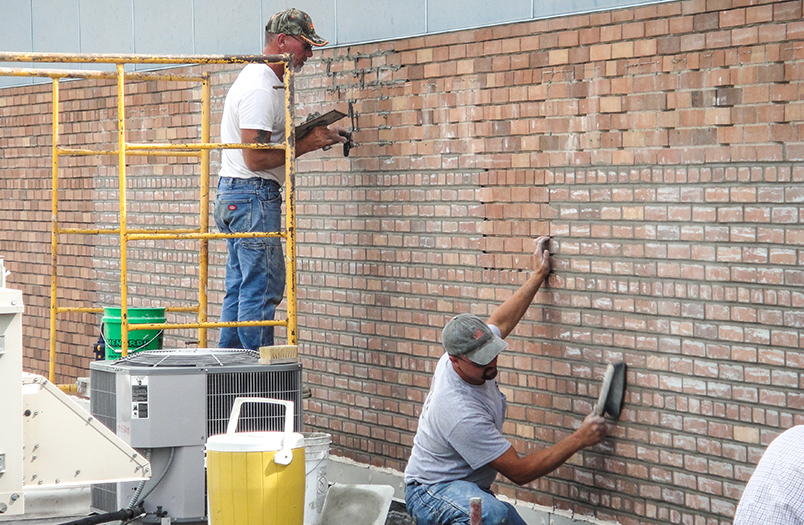
Mortar is essentially the glue of the exterior masonry. It holds the units together and keeps water moving across the wall instead of into it. When the mortar fails, water finds the path inside, and the deterioration accelerates from there. This is not cosmetic upkeep. It is water management for the structure.
The warning signs are usually visible before anyone pulls a bid. Property managers can watch for:
- Cracking at the mortar joints
- Crumbling or powdering mortar
- Water stains, inside or out
- Small pieces falling from the facade
Each of those is the wall telling you the joints are no longer doing their job.
The lesson for a budget is simple: timing, not just the bid price, determines what tuckpointing ultimately costs.
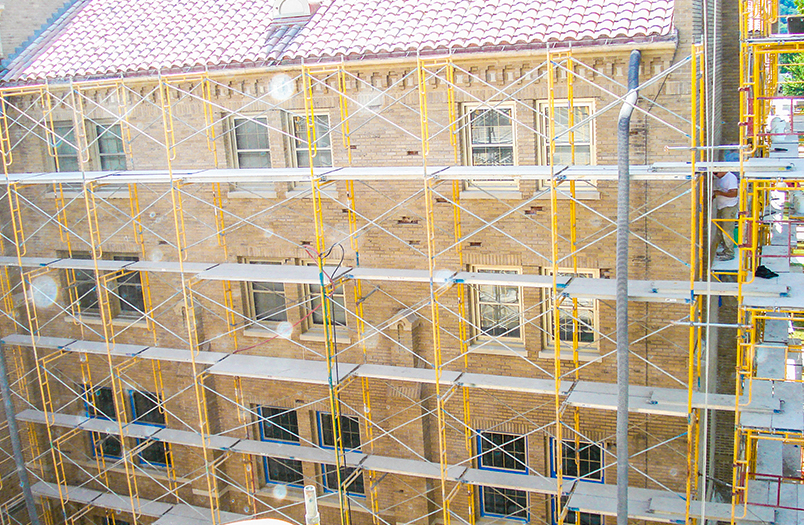
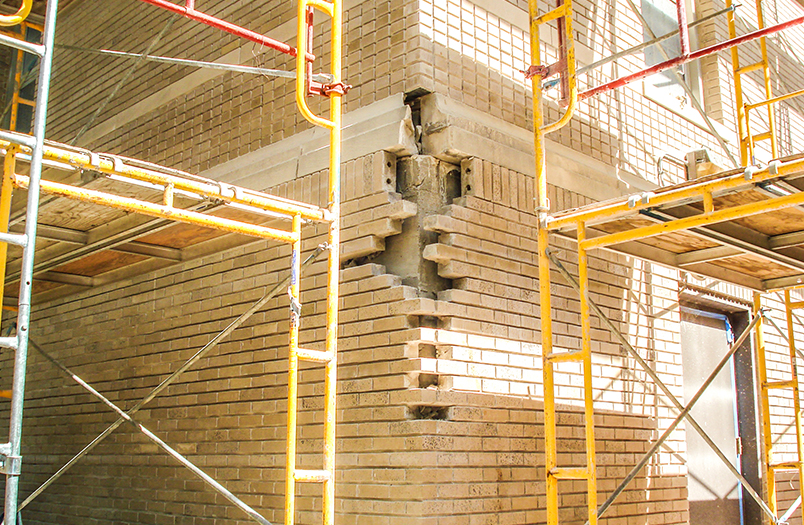
Here is why timing drives the number. A joint that needs repointing today is a straightforward repair. Defer it, and minor mortar loss can escalate into structural failure — the kind that requires brick replacement or backup wall repair once water has been working behind the facade for a few seasons. That escalation does not add a little to the cost. It can multiply it several times over. The goal of the sections that follow is to help you understand the real cost drivers, read a proposal with a critical eye, and address the root cause the first time.